How CCSI Shape Our Cities – Insights from Kortrijk’s Design Ecosystem
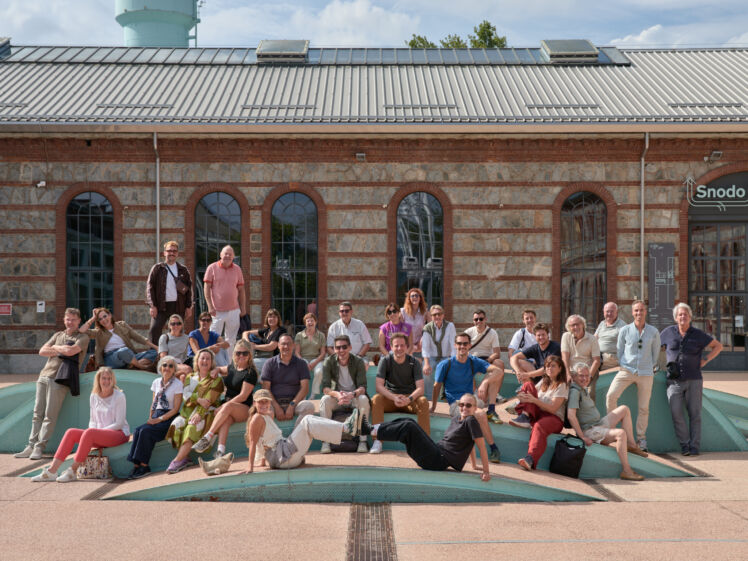
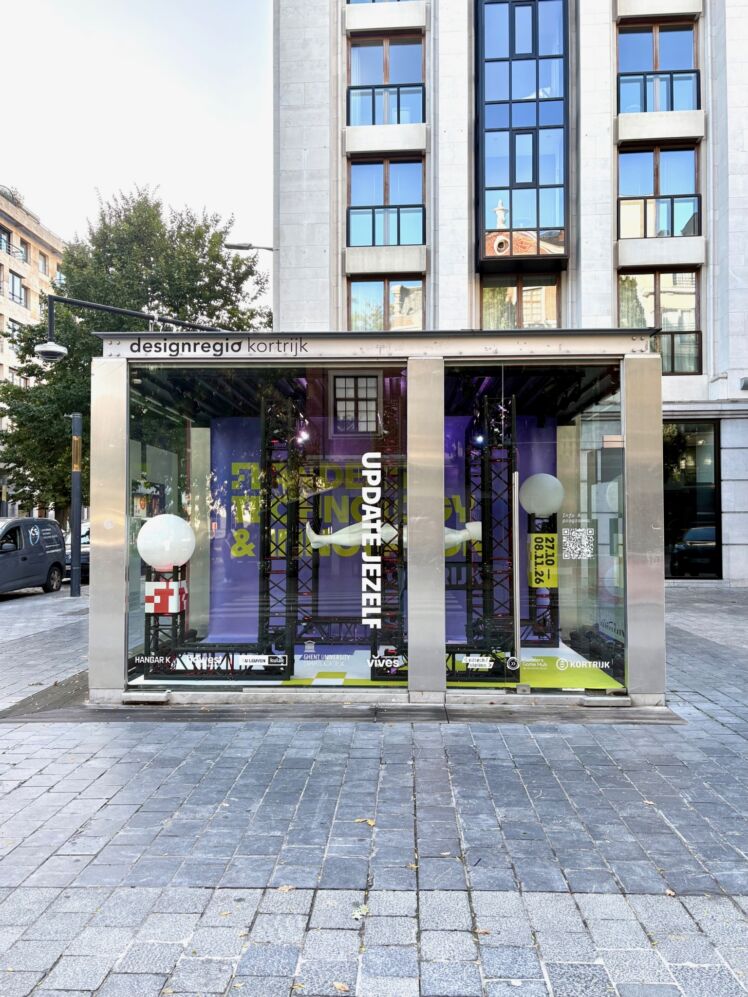
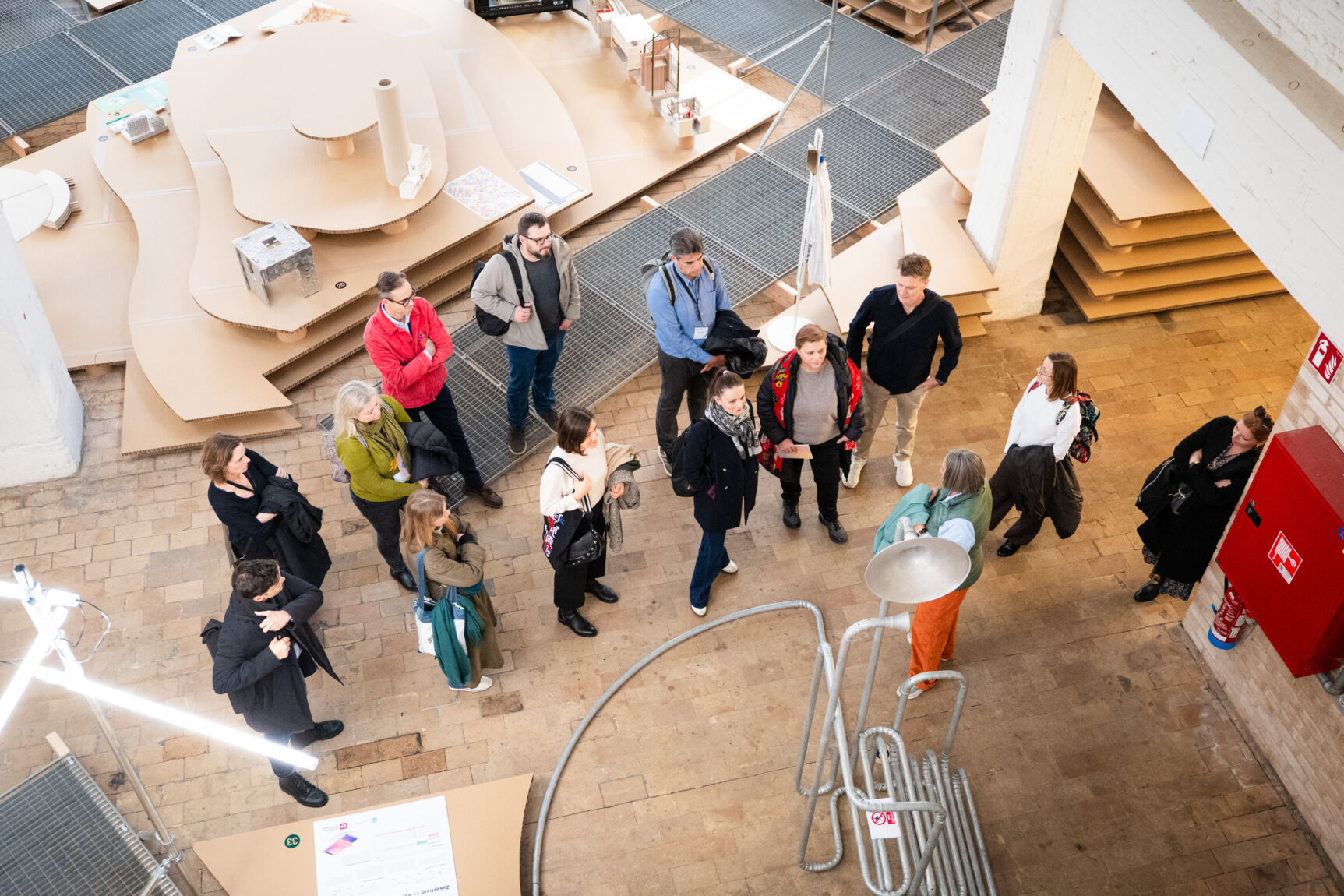
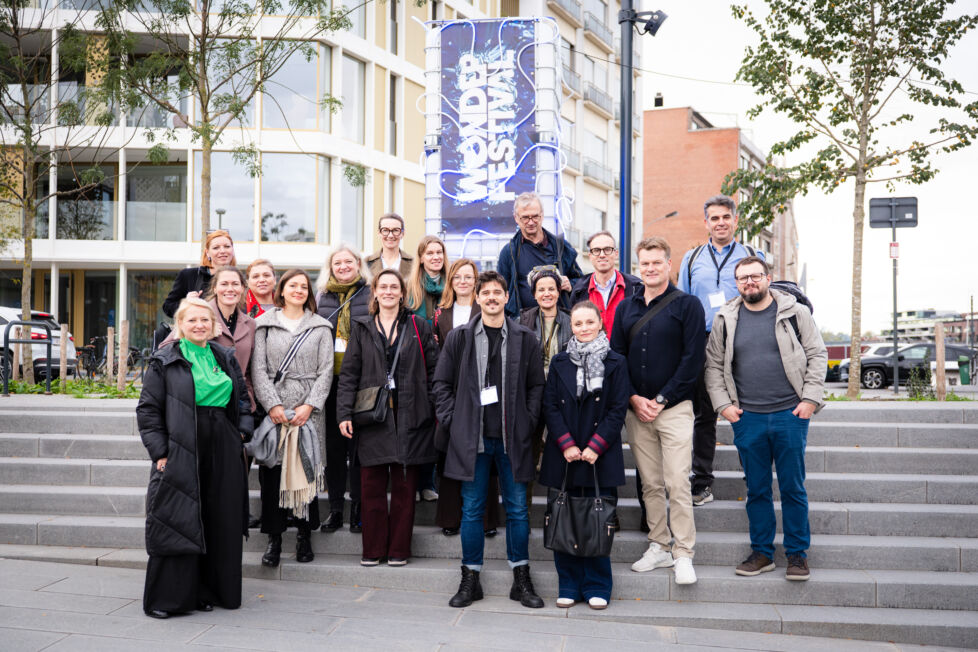
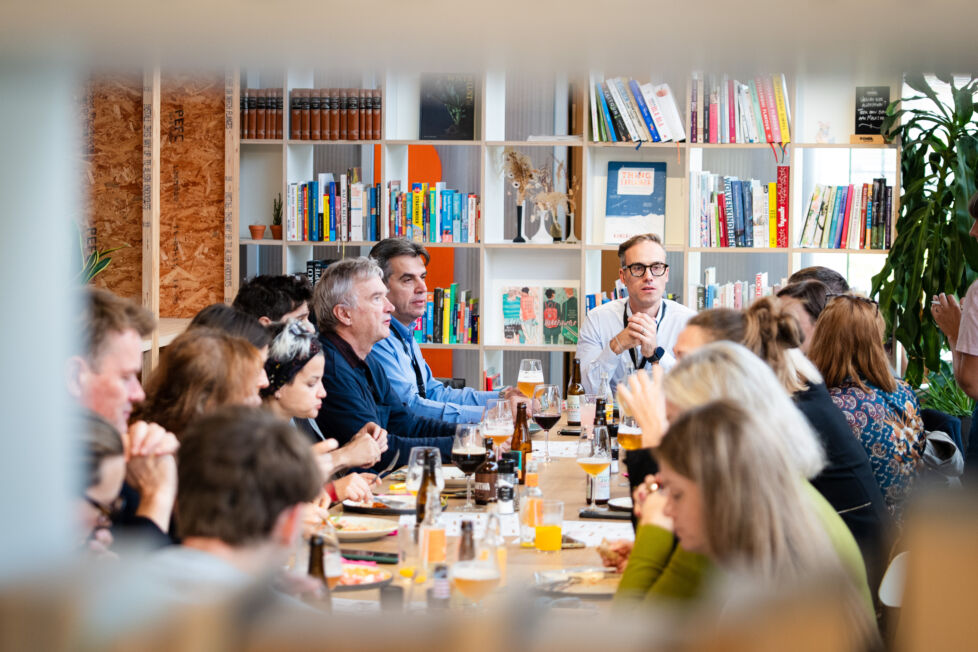
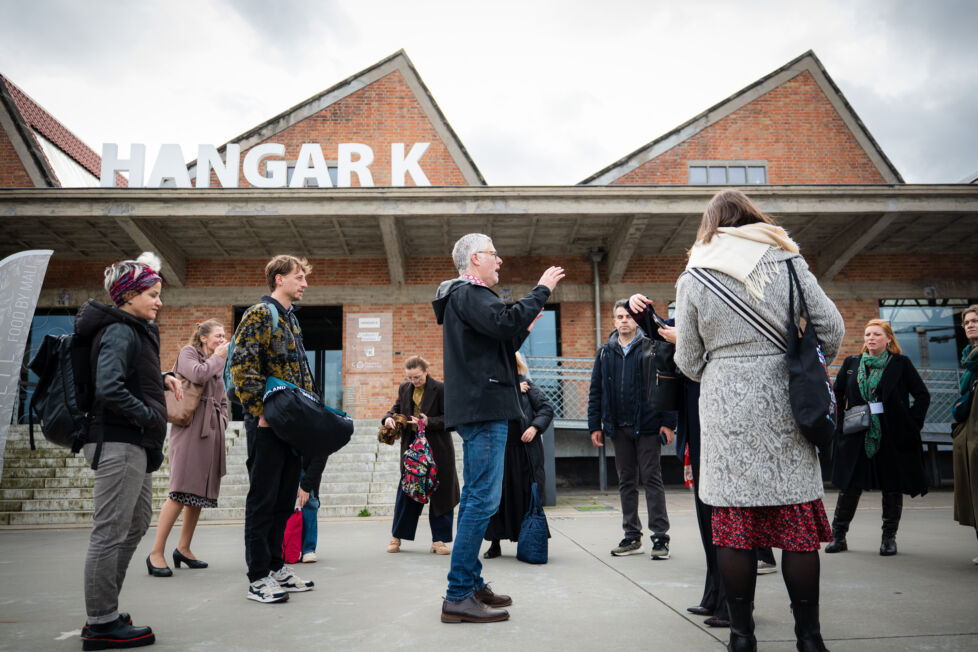
From October 21 to 23, 2025, Designregio Kortrijk, together with the City of Kortrijk, welcomed around twenty international guests for a three-day exchange of experience as part of the Creatives for the City project (CCSI4CCSI) – Cultural and Creative Sectors and Industries for Collaboration, Competitiveness, Sustainability, and Innovation. The visit took place during the vibrant WONDER Creativity Festival, offering the perfect setting to explore a key question: How do cultural and creative sectors and industries (CCSI) shape our cities—and how can we support them to keep this positive transformation going?
A Region That Breathes Creativity
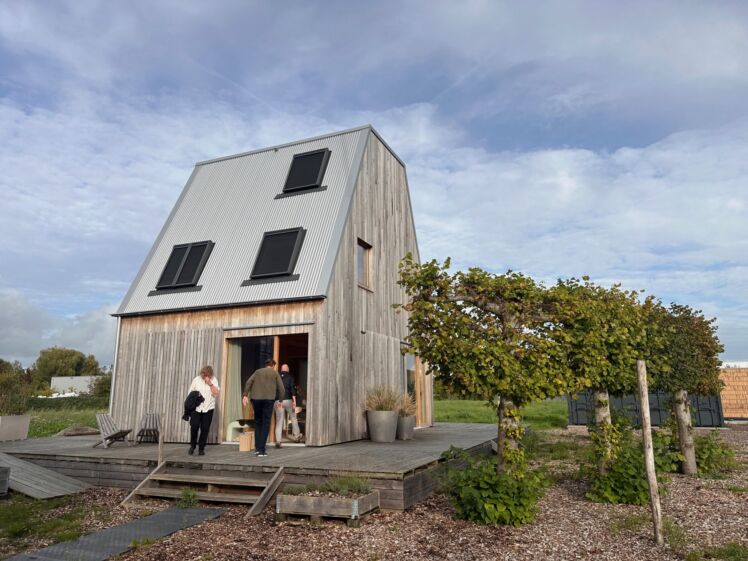
Throughout the program, guests got to experience the Kortrijk region’s unique quintuple helix design ecosystem, where government, businesses, education, citizens, and evironment collaborate to drive innovation. This ecosystem isn’t just a concept—it’s alive in the way the region designs, builds, and connects.
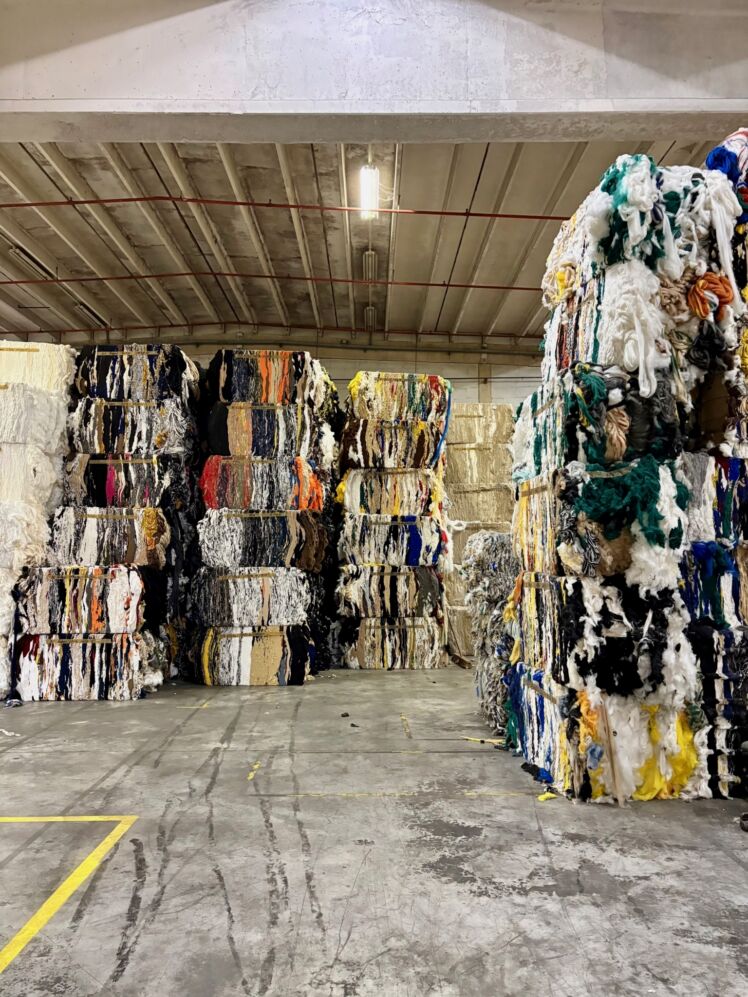
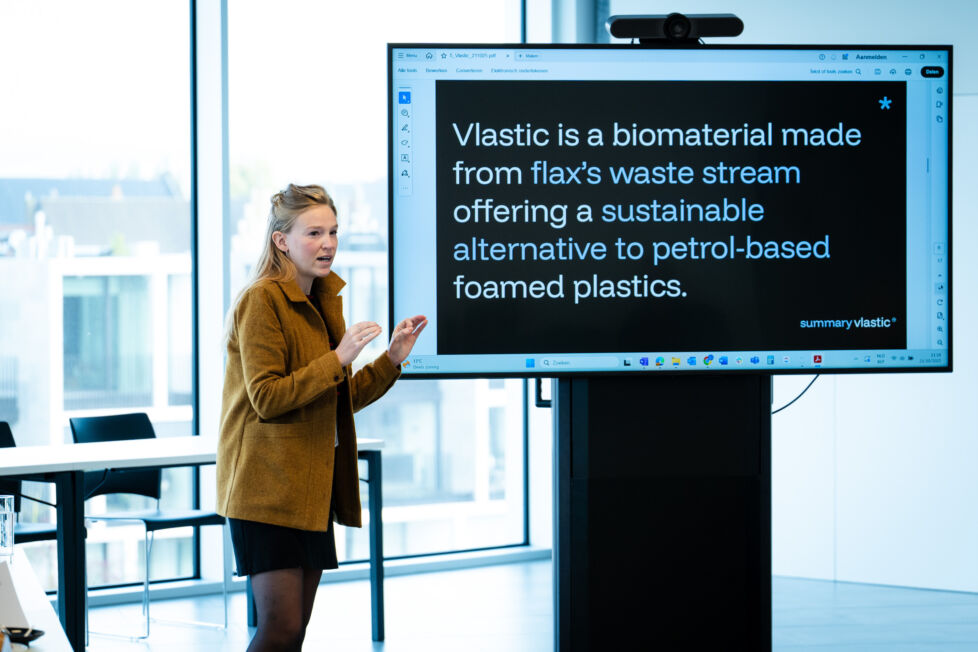
Tuesday’s sessions showcased inspiring examples of how creativity can tackle urban challenges. Architect Dimitris Kalemis from Thessaloniki shared The UpCycle Project, linking circular design with street food and public space. Karolina Kraljić from Humana Nova (Koprivnica) showed how textile waste can be transformed into social impact. From Kortrijk, Dries Laperre and Laura Willems of Surplace Studio presented Vlastic, a local initiative that blends design, sustainability, and community.
Later, Natalia Małecka from FABLAB Małopolska (Krakow) introduced FutuRE FabLab, a space where craft, technology, and creativity come together to shape sustainable futures. Anne Mette Bjerre Hansen from Amoode (Kolding) wrapped up the day with a thoughtful take on Slow Fashion in a Fast World. The evening closed with a keynote by Piet Grymonprez, co-founder of MyMachine, a globally celebrated educational design project born in Kortrijk.
Designing Better Futures Together
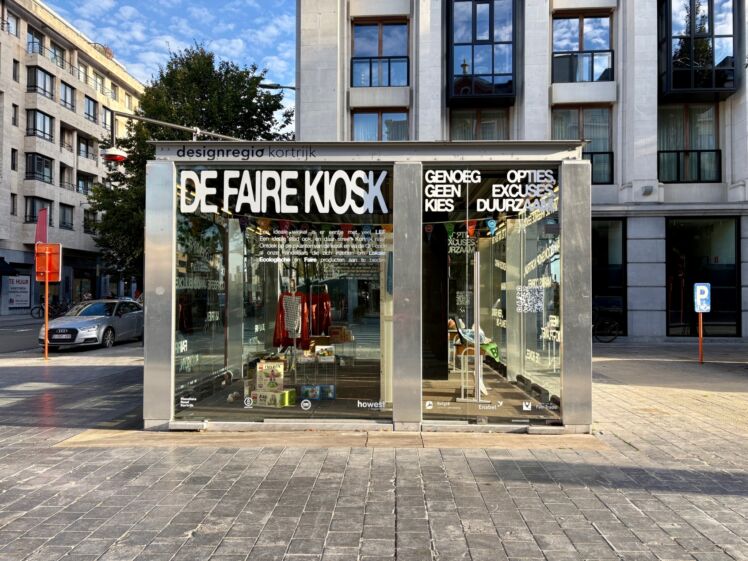
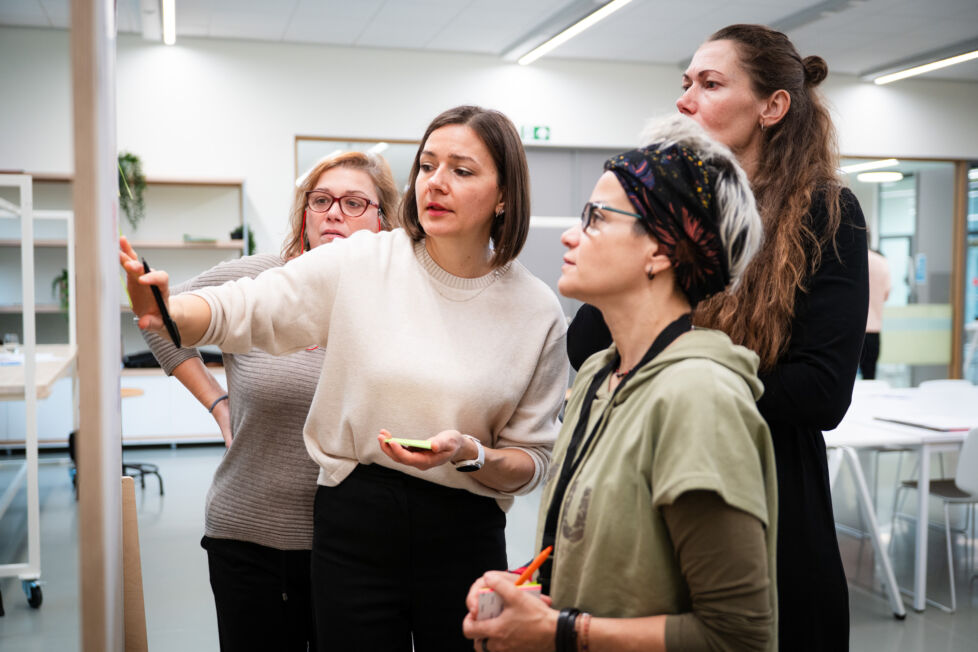
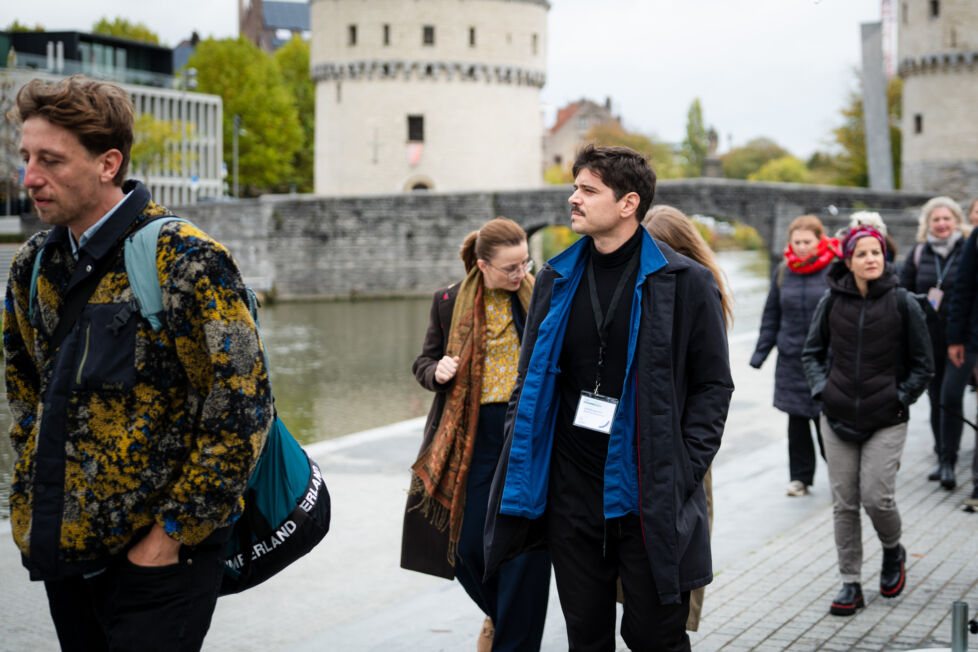
Wednesday focused on co-creation: a hands-on workshop on sustainable business models, a visit to the Digital Arts & Entertainment school van Howest, and a curated tour of the WONDER Creativity Festival. Spread across different city locations, the festival gave guests a real taste of how creativity is embedded in the region’s DNA.
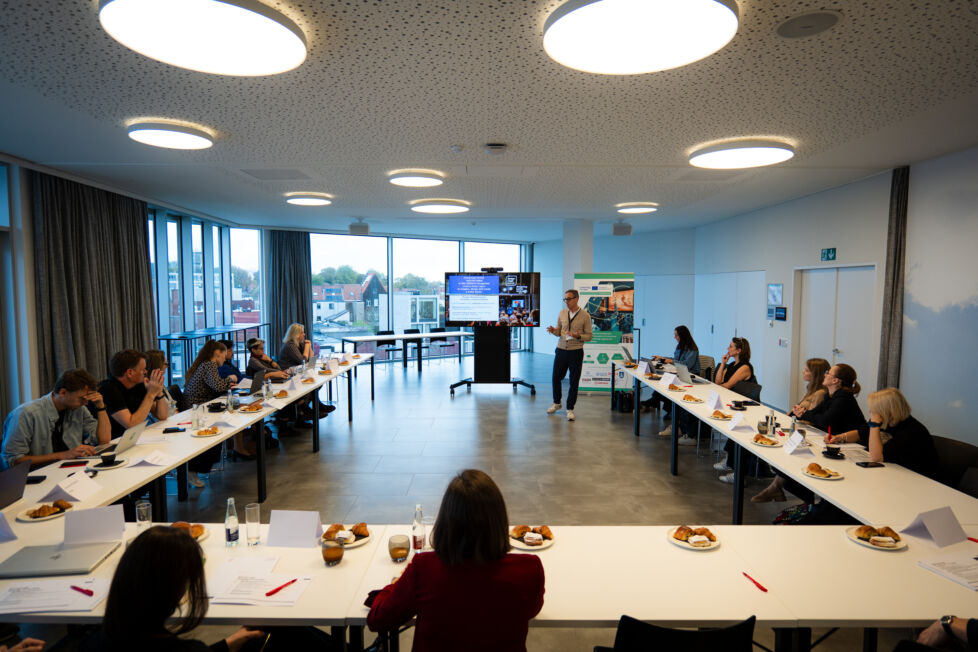
On Thursday, the Creativity Summit brought international inspiration to Budafabriek. Speakers like Henriëtte Waal(Atelier Luma),Amanda Brezell (Fennigan’s Farms, Detroit), and the team from Mogu (Italy) shared their work on biobased materials, urban resilience, and circular design. Their stories showed how CCSI can help cities become more connected, more sustainable, and more human.
In his opening speech, Designregio Kortrijk’s director Stijn Debaillie emphasized the region’s new strategic focus: Designing Better Futures Together.
This means building a region that’s vibrant, experimental, and inclusive—where creativity connects people, places, and ideas. It also means investing in the next generation. Design thinking is seen as a tool to help young people become not just resilient, but anti-fragile: growing stronger through challenges.
The summit also marked a milestone: sustainability is now a strategic pillar of Designregio Kortrijk. With Imog joining as a founding partner—alongside the City of Kortrijk, Leiedal, Howest, Voka West-Flanders, and Kortrijk Xpo—the region is doubling down on circular design and ecological innovation.
A Warm Welcome and Lasting Impressions
Beyond the content, guests were moved by the hospitality, the architectural richness, and the local gastronomy. The team from Małopolska (Poland) summed it up beautifully:
We appreciate the high quality of all program elements and want to emphasize the multifaceted nature of the visit – the opportunity to learn about Kortrijk's experiences in developing the CCSI sector, direct contact with representatives of various institutions, and the invitation to meet the history and present day of Kortrijk. We also thank you for the smiles, the conversations, the sharing of experiences, and the introduction to the culinary traditions of the region.
Keeping the Momentum Going
This exchange of experience showed how CCSI can shape cities—not just through beautiful design, but through meaningful transformation. It also highlighted the importance of supporting these sectors with strong ecosystems, international collaboration, and a clear strategy.
Designregio Kortrijk continues to play a key role in connecting local strengths with global ideas. By creating space for dialogue, experimentation, and co-creation, the region is helping design a future that’s not only smart—but sustainable, inclusive, and full of possibility.


Stijn Debaillie
Coordinator