International exchange in Koprivnica broadens perspectives on creative ecosystems
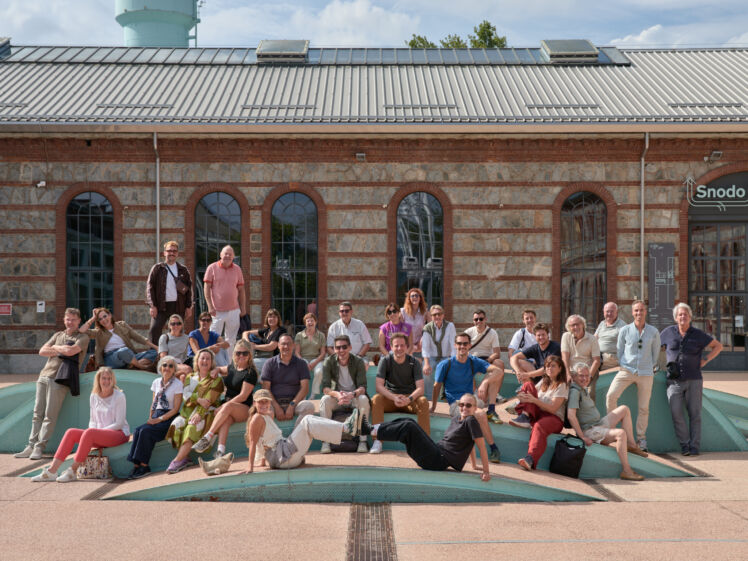
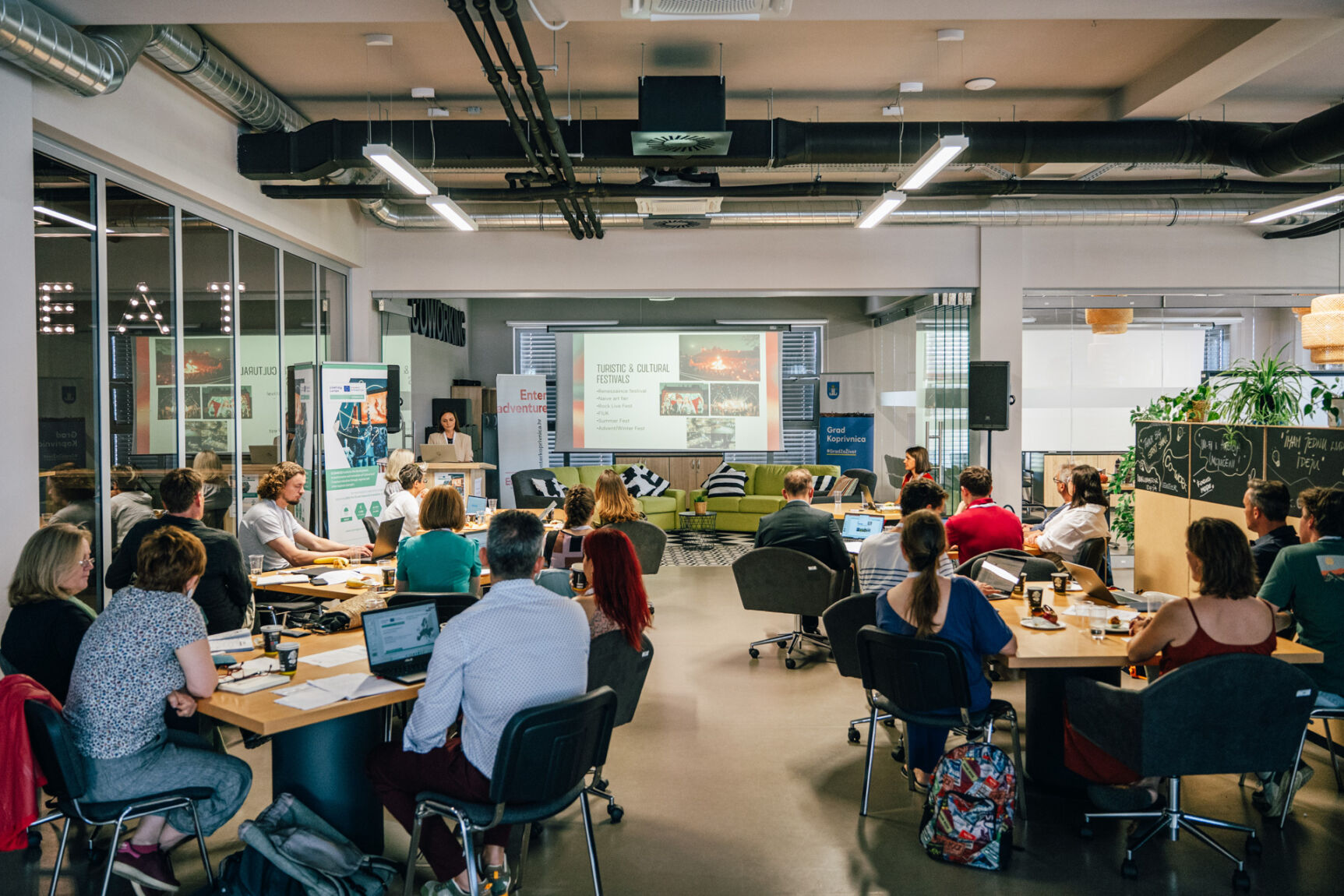
From 16 to 18 June, Designregio Kortrijk took part in the fifth international exchange as part of the Interreg Europe project CCSI4CCSI – Creatives for the City in Koprivnica (Croatia). Together with partners from Greece, Poland, Denmark and Croatia, we explored the role of the cultural and creative sector (CCSI) in social and urban development.
The three-day event combined site visits and the exchange of good practices, with the aim of developing stronger, more inclusive and future-oriented creative ecosystems.
Local roots as a starting point
The town of Koprivnica opened the programme with an insight into its cultural and social policies, and how these reinforce one another within a local ecosystem. During a visit to the FUNK socio-cultural centre, it became clear how creativity, participation and circular thinking go hand in hand, not least through workshops on reuse and co-creation.
Creativity as a response to societal challenges
During the exchange of good practices, the focus was on the social role of the creative sector.
At Hedona (Koprivnica), we saw how social entrepreneurship has a tangible impact: people who are distanced from the labour market are given full-time jobs, with clear responsibilities and fair pay. This results in strong commitment and sustainable operations. The key lesson: inclusion works when it is integrated into mainstream economic structures.
Projects such as Off Stream and MOMUS (Thessaloniki) demonstrated how inclusion can also be deepened in cultural contexts. By working with specific target groups – such as people with visual impairments, young people or care groups – new forms of experience emerge. It becomes clear that accessibility is merely a first step: true inclusion requires co-creation.
The role of communication and local engagement was also highlighted through Malopolska Television (Poland), where participatory media contribute to a stronger local network.

Young people and experimentation as drivers of change
A second key theme was the active role of young people and communities in shaping the city. The case of Frivillig Kolding (Denmark) emphasises that young people are not merely spectators, but active shapers of culture and society. By giving them responsibility and support, they develop a sense of engagement in policy and professional contexts.
In addition, the importance of experimentation in public space was also highlighted. Initiatives such as ‘It’s better to apologise than to ask for permission’ by Lieve Zusjes Stoere Broers (Kortrijk) demonstrate how temporary interventions and collective actions reconnect the city with its residents and create space for new ideas.
Reflections for Designregio Kortrijk
The exchange in Koprivnica confirms the importance of international collaboration in strengthening local practices. For Designregio Kortrijk, these insights offer concrete starting points:
- How can we strengthen inclusion in projects such as WONDER?
- How can we give young people a more active role as creators?
- How can we continue to experiment in the city as a testing ground?
The strength of CCSI4CCSI lies in this interplay: European inspiration translated into local impact.


Stijn Debaillie
Coordinator