Cities for People: Inspiration from Europe
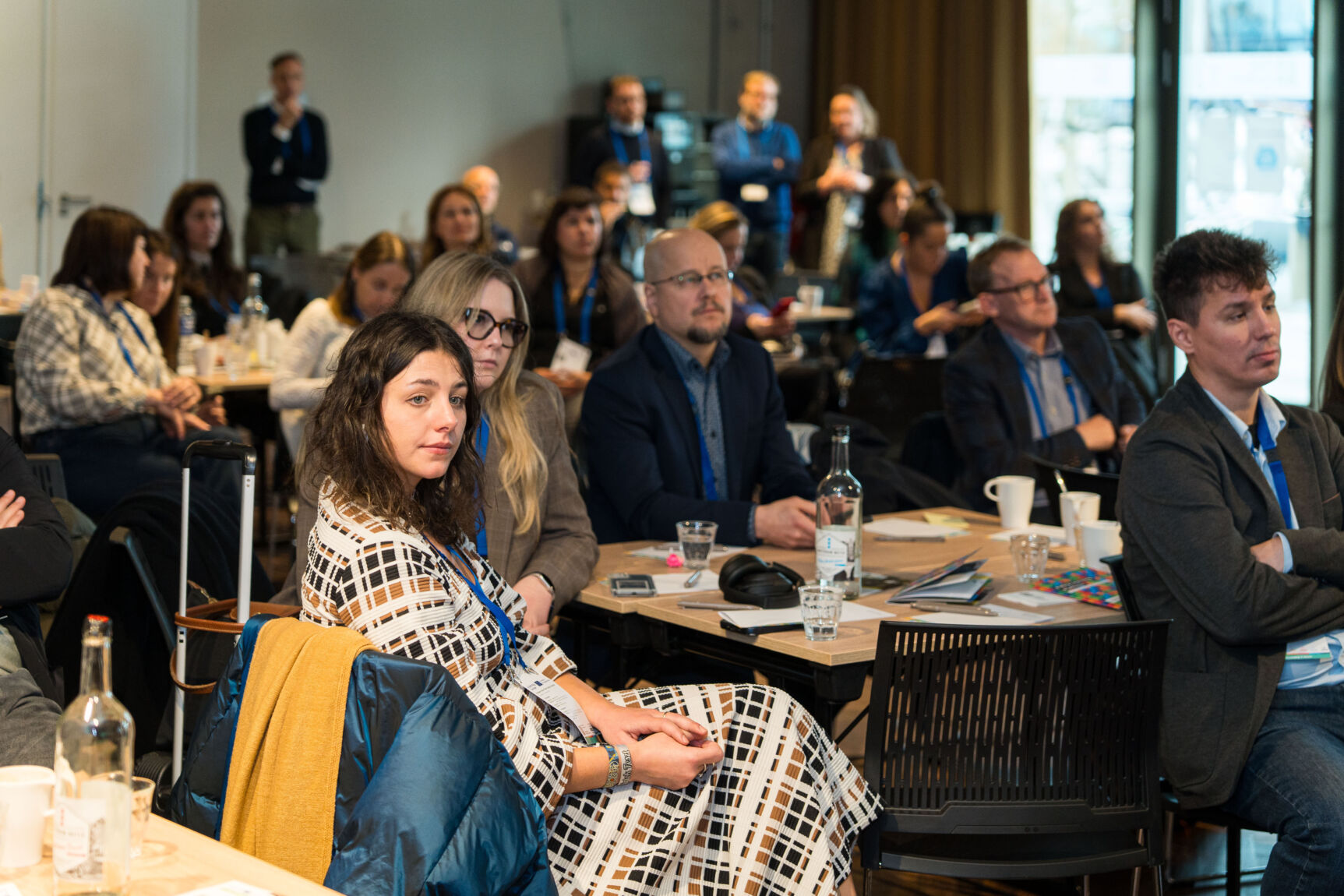
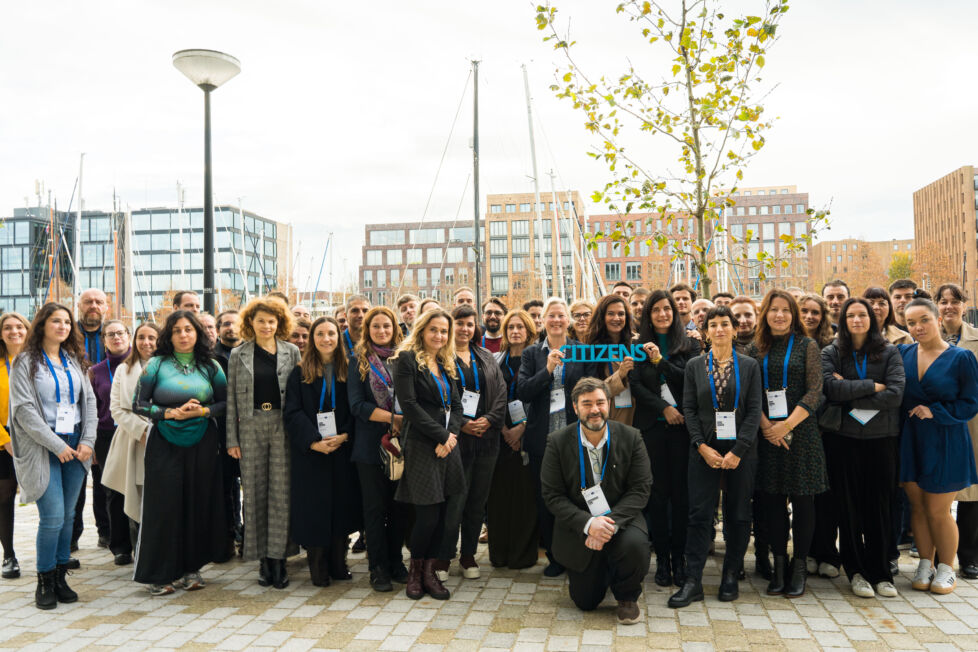
In mid-November, we participated in Interreg Europe's Policies for People and Places event in Amsterdam. The two-day event brought together a mix of ideas on how to make cities and neighbourhoods truly liveable. No dry plans, but examples that show how creativity and inclusion make a difference.
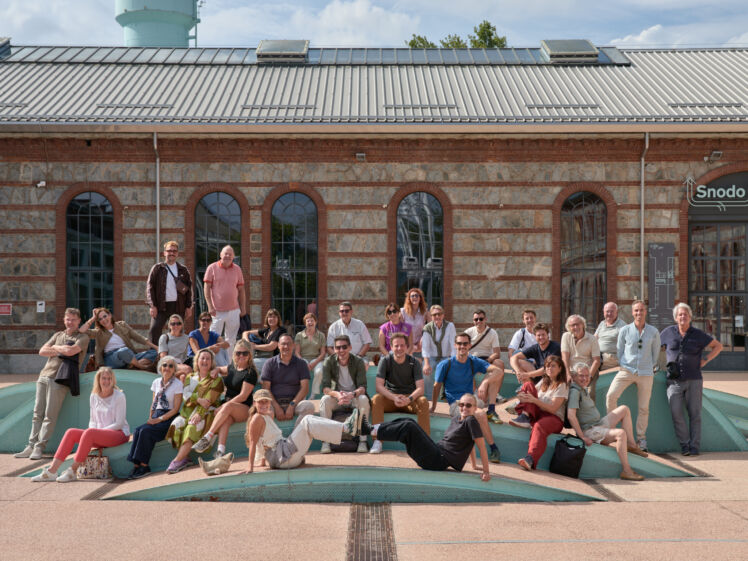
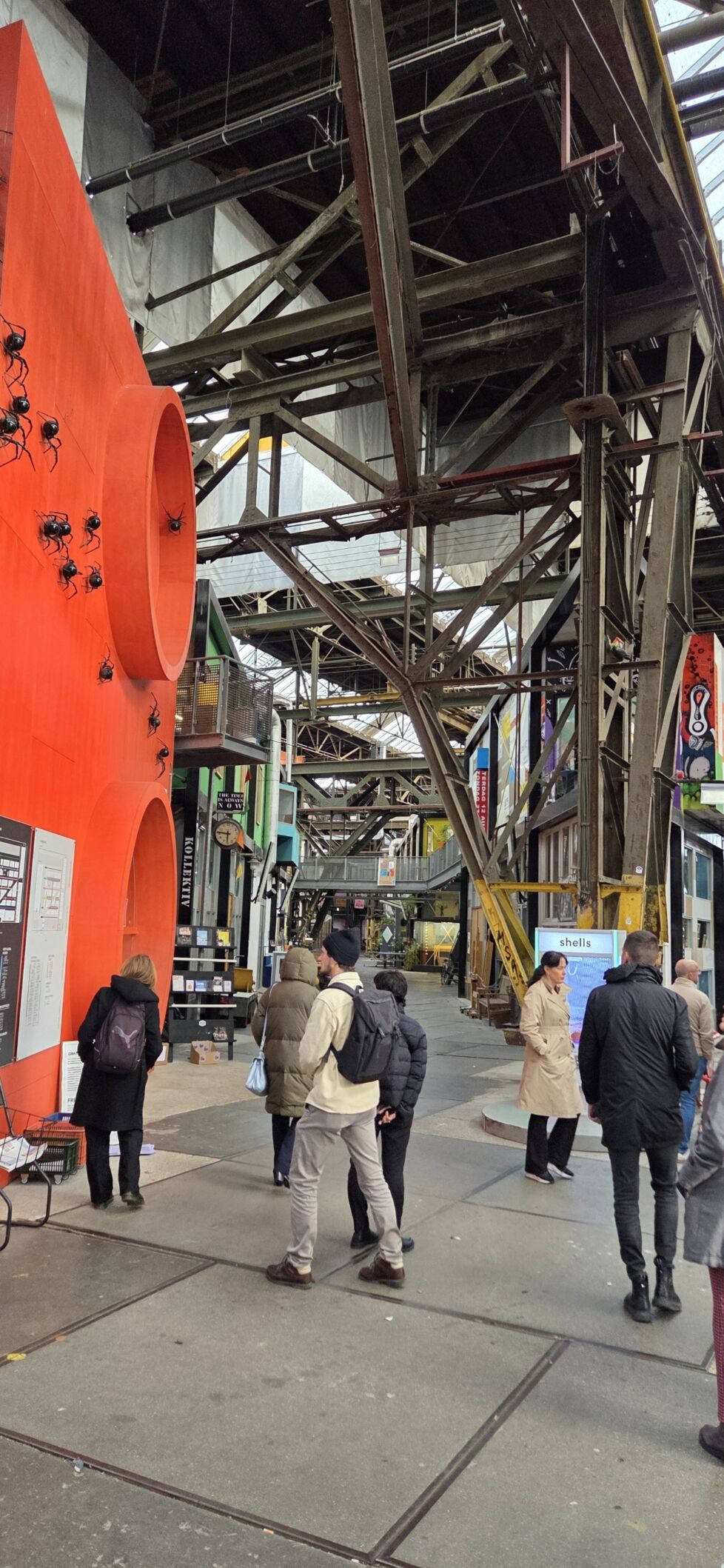
The study visit to the old NDSM shipyard showed how an abandoned industrial site can be transformed into a vibrant place for art, culture and social interaction. It proves that courage and cooperation can breathe new life into a neighbourhood.
In the sessions on vibrant neighbourhoods, one message kept coming back: it's about people, not buildings. Proximity, social interaction and flexibility make a neighbourhood attractive. Inspiring cases from Poland, Ireland and Romania showed how repurposing and participation work.
Day two focused on public space. The keynote speech by Julia Girardi-Hoog, gender manager for the City of Vienna, was a highlight. Her approach to gender-inclusive parks and squares – using tools such as the “Laura test” – makes it clear that design choices have an impact on who feels welcome. Think of playgrounds that also appeal to teenage girls, not just boys playing football.
What sticks in the mind:
- Listen to residents – their voice is worth its weight in gold.
- Dare to experiment – temporary uses act as a catalyst.
- Diversity makes places stronger – from gender to age.
- Learn and share together – platforms such as Interreg Europe are crucial.
- This event showed that cities across Europe share the same challenge: creating places where everyone feels at home.

Designregio Kortrijk is a partner in the Interreg Europe project 'Creatives for the City – Cultural and Creative Sectors and Industries for Collaboration, Competitiveness, Sustainability, and Innovation – CCSI4CCSI'. The project strengthens cultural and creative sectors by stimulating collaboration, innovation and sustainability, with a focus on green, digital and social transitions. Eight European partners are working together to facilitate knowledge exchange, policy recommendations and networking, so that creative businesses can grow more effectively and contribute to broader economic and social impact. The project leader is the Region of Central Macedonia (EL) and the project partners are KEPA - Business and Cultural Development Centre (EL), Enter Koprivnica (HR), Stad Koprivnica (HR), Malopolska Regional Development Agency (PL), Business Kolding (DK), Designregio Kortrijk (BE) and Stad Kortrijk(BE).


Stijn Debaillie
Coordinator