Social Design Awards in Valencia
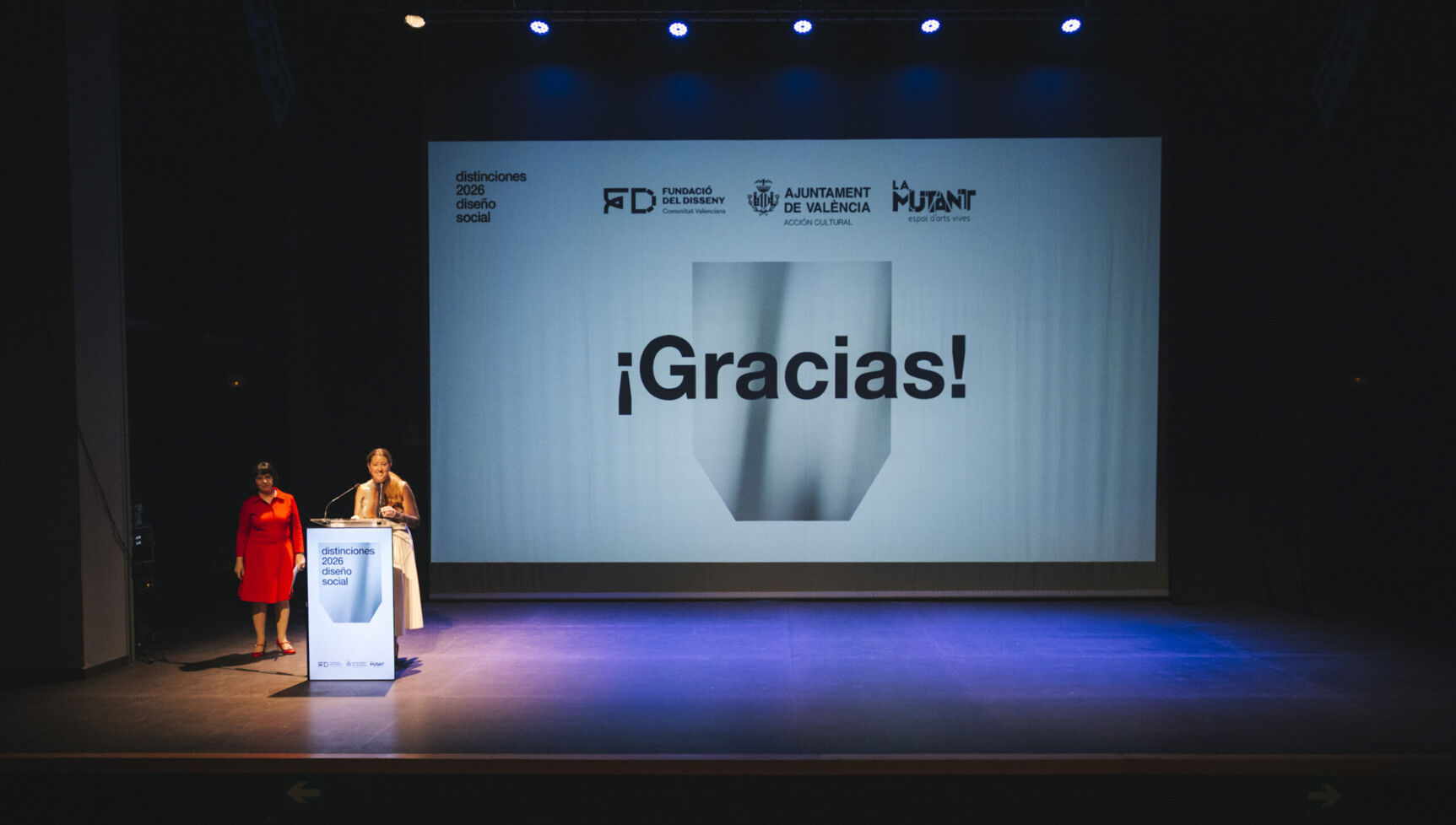
On 3 March, the Design Foundation of the Valencia region organised the second edition of the Social Design Distinctions, an initiative that aims to highlight the impact of design as a tool for social transformation. Thanks to our relationship with Valencia in the UNESCO Creative Cities of Design network and our accumulated expertise on the subject, our colleague Sébastien Hylebos was invited to sit on the jury.
We helped select two winners from 15 professional projects or individuals who contributed to positive social development through social design. In addition, recognition was also given to students who use social design in their work. Two winners were selected from the 58 entries. The awards were presented at a festive ceremony on Tuesday 3 March.
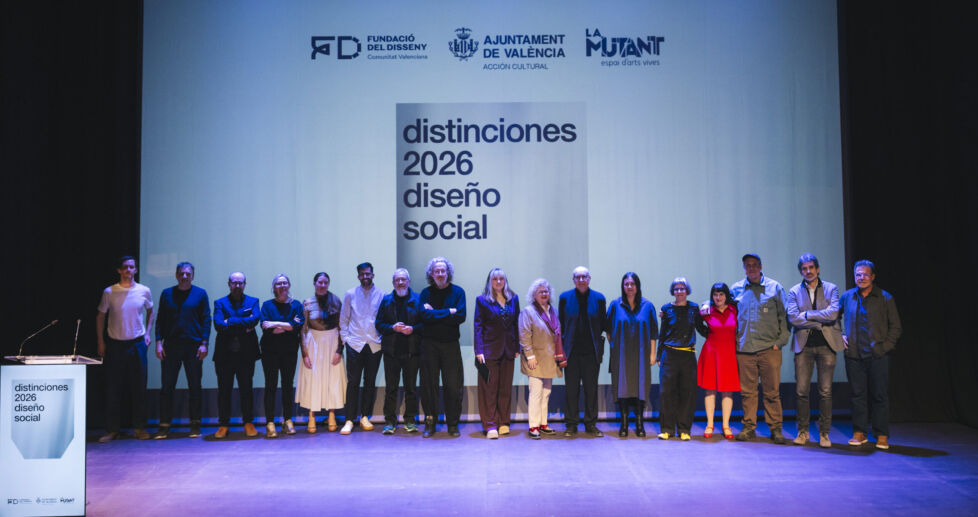
In the professional category, the Distinciones al Diseño Social 2026 awards go to Raquel Pelta and Makea Tu Vida.
The winning student projects are 'Designing for all the senses: good practices to make spaces more understandable, safer and more inclusive' (20) by Carmen García Molero and 'Design of a set of brushes adapted for people with cerebral palsy' (6) by Luz Moya Ibáñez.
Raquel Pelta
The jury awards the 2026 Social Design Award to Raquel Pelta for her long career in research, teaching and dissemination of design culture, and in particular for placing the social dimension of design at the centre of academic and professional thinking in Spain, creating a theoretical, critical and cultural framework that has had a decisive influence on several generations of designers.
Makea Tu Vida
The 2026 Social Design Award to Makea Tu Vida recognises an exemplary model of collective, transversal and participatory practice, which, from the intersection of design and ecology, has stimulated learning processes, creative reuse and community empowerment, making design a real tool for social and habitat change.
Designing for all the senses: good practices to make spaces more understandable, safer and more inclusive.
The jury selected this project because it translates the complexity of visual accessibility into a clear, rigorous and applicable guide that integrates visual, tactile and auditory resources from a universal design approach, becoming a reference tool for making spaces more understandable, safer and more inclusive.
Design of a set of brushes adapted for people with cerebral palsy
The jury wanted to recognise a project that puts people at the centre of the design process and that, in direct collaboration with a special education centre, has developed a system of brushes that improves the autonomy and creative experience of people with cerebral palsy, demonstrating how product design can have a tangible social impact based on empathy and applied research.


Sébastien Hylebos
Sébastien is responsible for circular economy and textile projects in collaboration with companies and designers. He is also responsible for providing general support to the organisation.