First Design 4 Take Back sharing session: circular product design in action
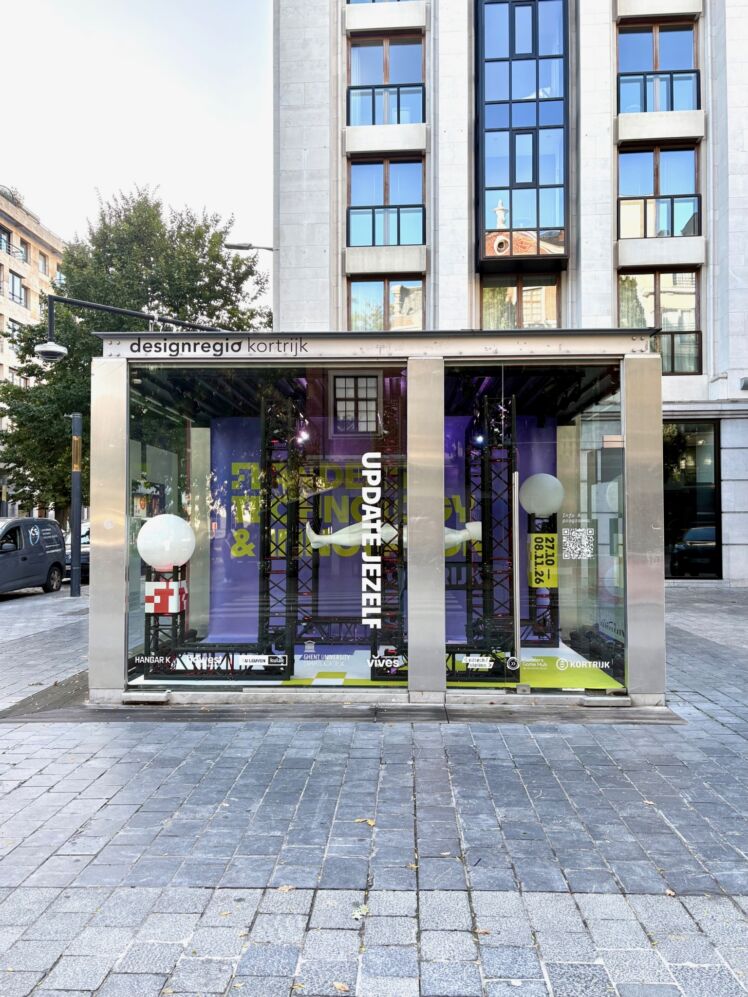
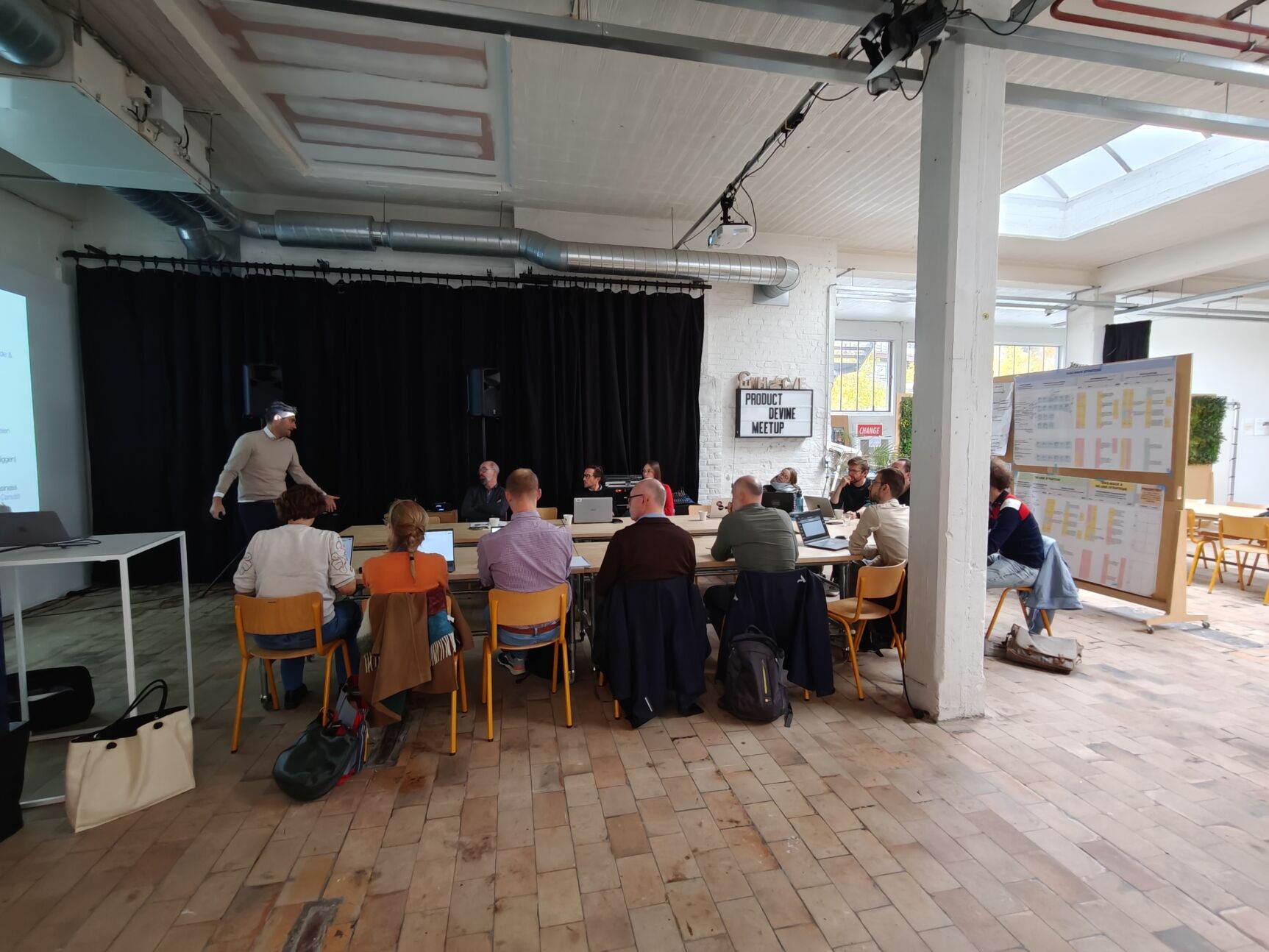
The first sharing session of Design 4 Take Back took place as part of the WONDER Festival. Design 4 Take Back is a project run by Designregio Kortrijk, VOKA West Flanders, Surplace and Ellis Consulting, in which companies work with experts to take the step towards circular product design and reuse strategies.
Design 4 Take Back starts from one central question: how can we design products and materials in such a way that they can be reused multiple times?
By tackling specific business challenges, insights, methods and tools are developed that can be applied more broadly in the manufacturing industry.
A learning network of pioneers
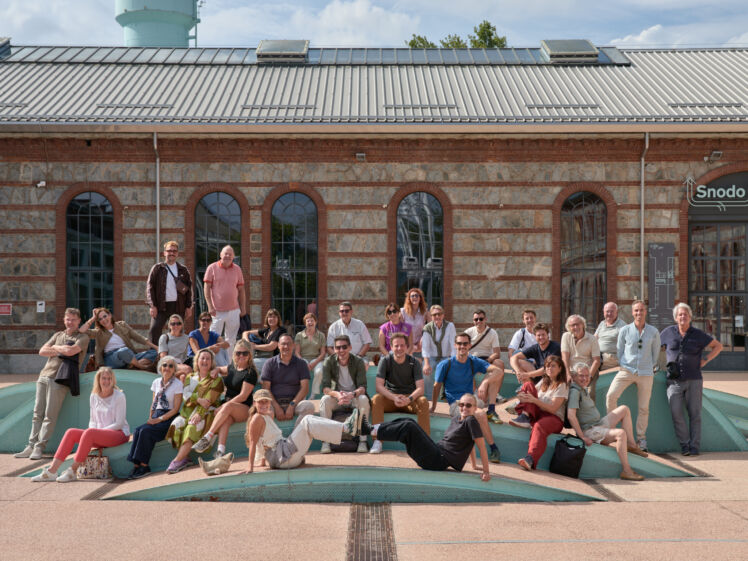
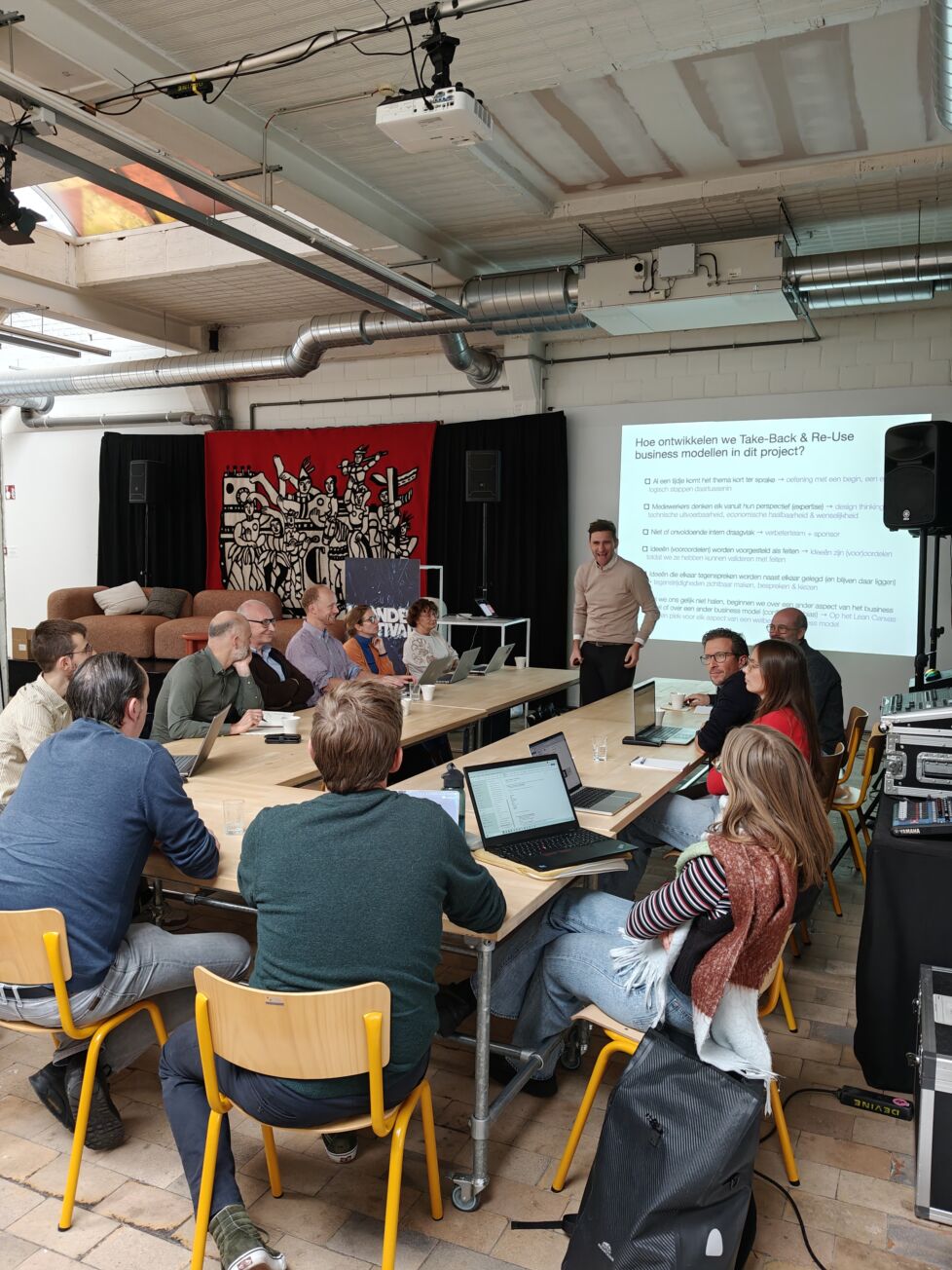
Companies from various sectors participated in the session, including Thule, Unilin, Stas, Smappee, Umbrosa, TAL, Haelvoet, Moerman, Decospan, Showtex, and others, together with experts Dries Laperre (Surplace) and Brian Legein (Ellis Consulting).
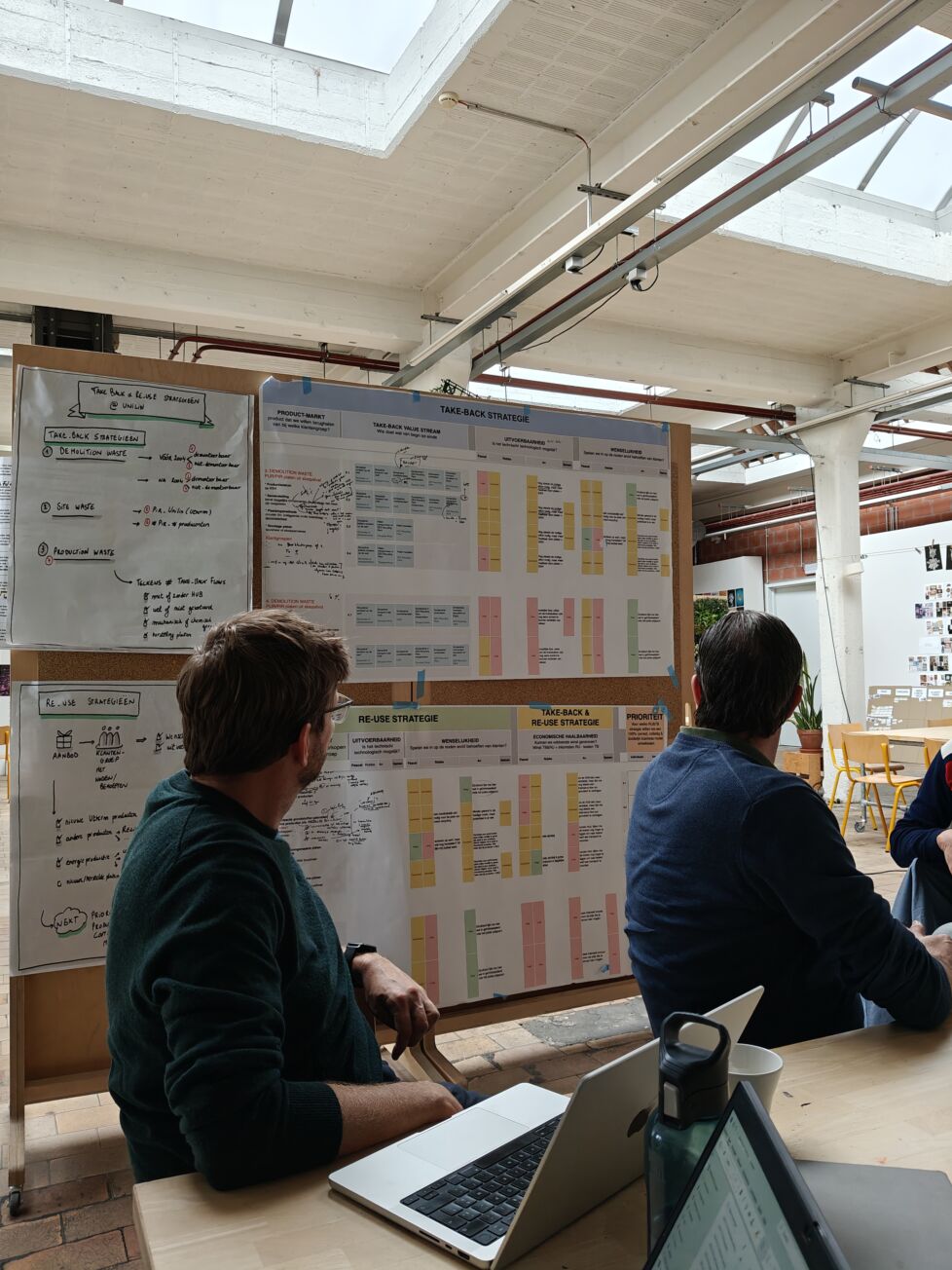
They guided the group, drawing on their expertise in product design and business model design respectively, through the initial findings on reuse and Design for Take Back strategies.
The strength of the programme lies in collaboration: companies learn not only from their own cases, but also from each other's experiences. Sharing insights, pitfalls and best practices accelerates the learning process and helps to translate circular principles into concrete products and processes.
Three concrete use cases
To test the methodology in practice, three companies were selected as use cases:
- Umbrosa is investigating how parasols and parts can be given a second life. Which components lend themselves to reuse and how can the design be adapted to this?
- Unilin focuses on PUR/PIR insulation boards and is investigating how these materials can be used circularly, both in terms of production and return flows.
- Smappee is looking at the opportunities offered by the first generation of charging stations that will soon be back on the market. How can they be reused, repaired or upgraded?
By analysing these diverse cases, it becomes clear how different 'take back' can mean for each product type — but also which universal principles recur each time.
Initial insights
During the session, it became clear that the theme of circularity (and the associated take-back) is already a live issue for many companies, but that it is often still approached in a fragmented manner.
Several recognisable challenges emerged:
- Different ideas and perspectives sometimes lead to conflicting conclusions.
- There is a need for factual evidence rather than opinions or assumptions.
- Guidance of the process – internal or external – appears to be crucial to ensure speed, quality and support.
Next steps
In the coming months, work will continue on a handbook for Design 4 Take Back: a practical step-by-step plan with tools and guidelines to help companies implement circular strategies.
This handbook will contain general principles as well as leave room for customisation, so that each company can design its own take-back model.



Stan Dewaele
Stan is the key link between industry and designers. Under his coordination, innovation projects involving companies and designers take shape. He also coordinates the annual WONDER Festival alongside Lisa.