New K-TOTEM Kaunas design by Ann-Sophie De Steur
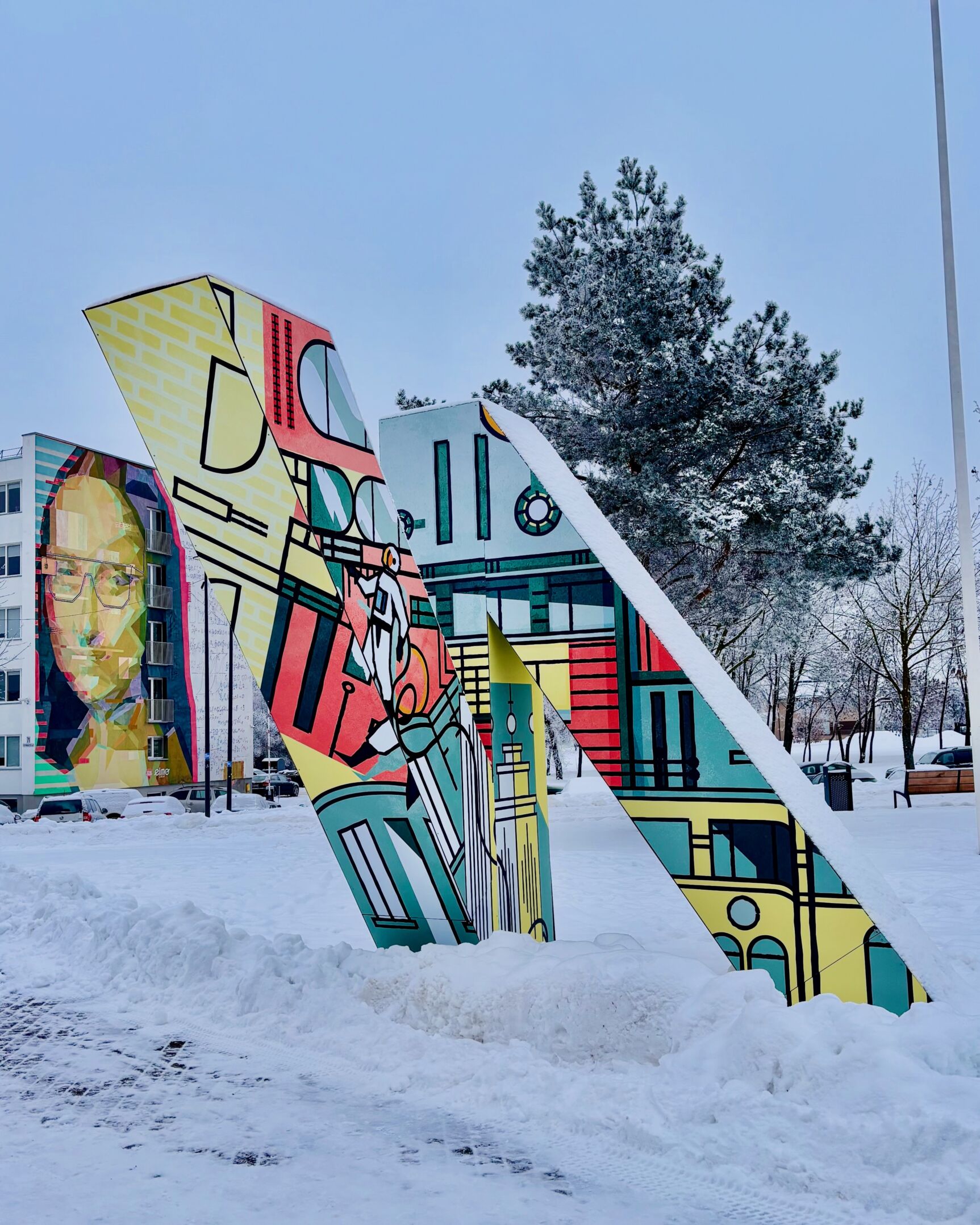
Belgian illustrator Ann-Sophie De Steur created a new design for the K-TOTEM in Kaunas, Lithuania!
The design visualizes the shared modernist heritage of Kaunas and Kortrijk, both UNESCO Cities of Design and celebrates these international design partnerships.
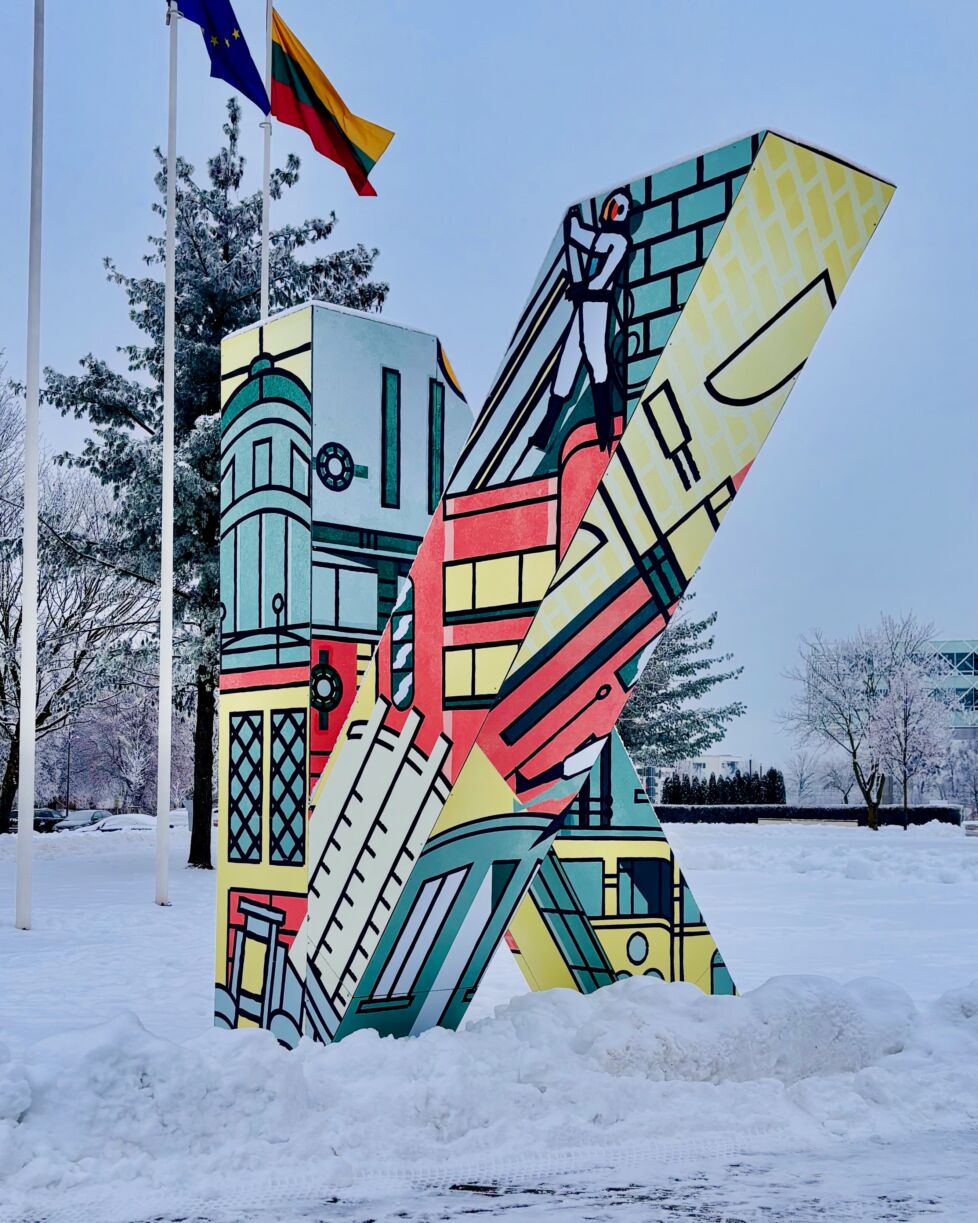
The K-TOTEM welcomes visitors at the main entrance of the Faculty of Mechanical Engineering and Design (FMED) at Kaunas University of Technology (KTU). Just before the New Year, the object was renewed once again, unveiling a new visual “skin” that celebrates the shared modernist heritage of Kaunas and Kortrijk.
United by the UNESCO Creative Cities Network, Kaunas and Kortrijk are also connected through their modernist architecture and, more broadly, through their urban identities. The new façade of the sculpture features recognisable yet non-specific modernist motifs – round windows, clear architectural lines, and… a human in a spacesuit travelling between a city’s valuable past and its creative future. This illustration, linking the philosophies of the two cities and raising questions about the role of heritage, was created by Belgian illustrator Ann-Sophie De Steur.
Part of the UNESCO Creative Cities Network
Just like Kortrijk, Kaunas is a UNESCO Creative City of Design. It is often overlooked that Kaunas received this title in 2015 – well before its modernist architecture was inscribed on the UNESCO World Heritage List in 2023. As a member of the UNESCO Cities of Design network, Kaunas can use design as a strategic tool for shaping its future, whether in business and economic development, strategic thinking, communication, or education.
According to Dr Jūratė Tutlytė, Head of the Kaunas Design Network association, the greatest challenge begins once the title is awarded: if it is not embedded in a long-term urban strategy, the title risks remaining merely symbolic. She emphasises that while the UNESCO designation gives the city the freedom to define its own direction, it also comes with responsibility and the need for concrete action.
“When used purposefully, creativity and culture can become powerful drivers of transformation, helping a city grow and achieve sustainable development. This is why the role of design in Kaunas’ future must be fundamentally rethought,” says the art historian.
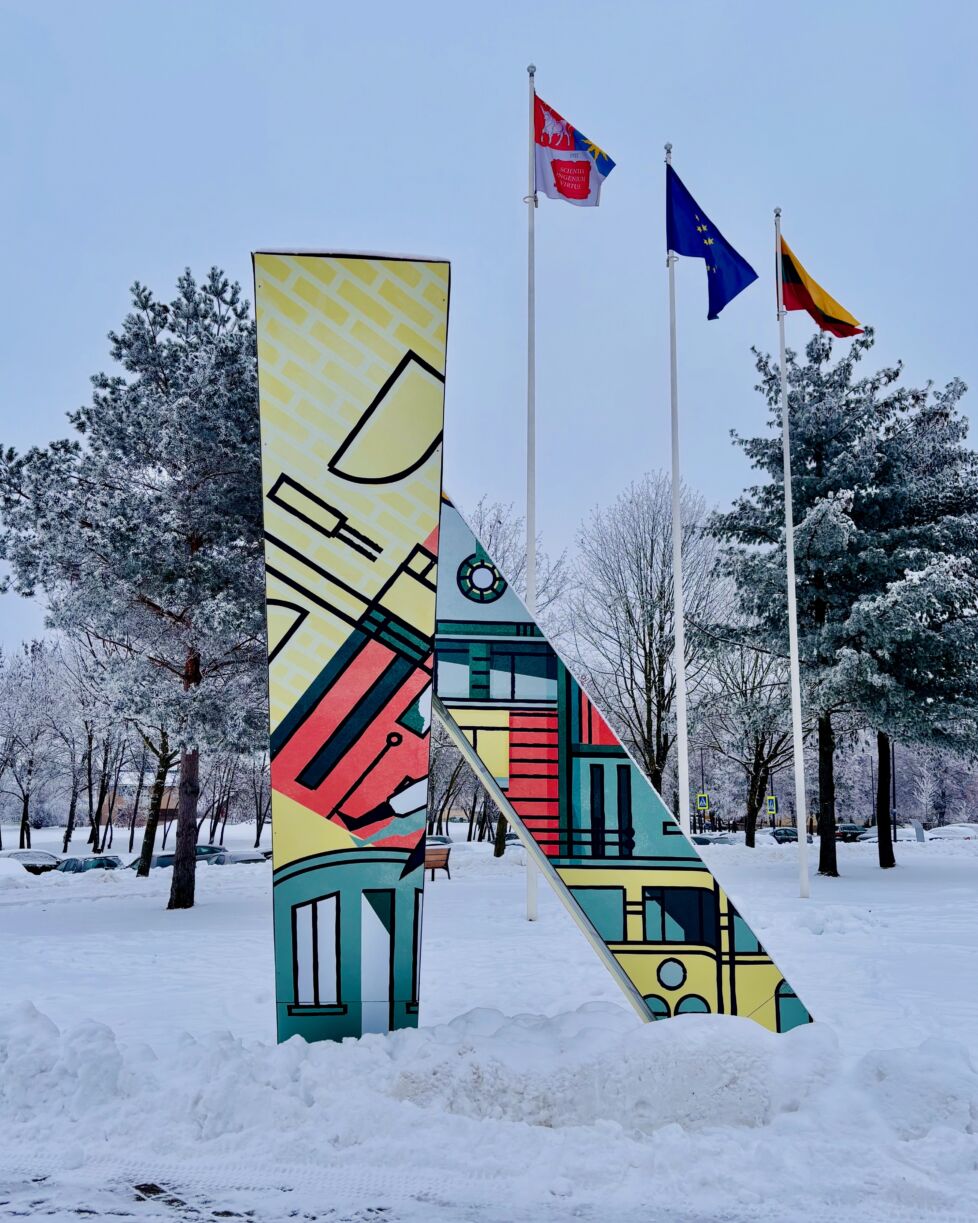
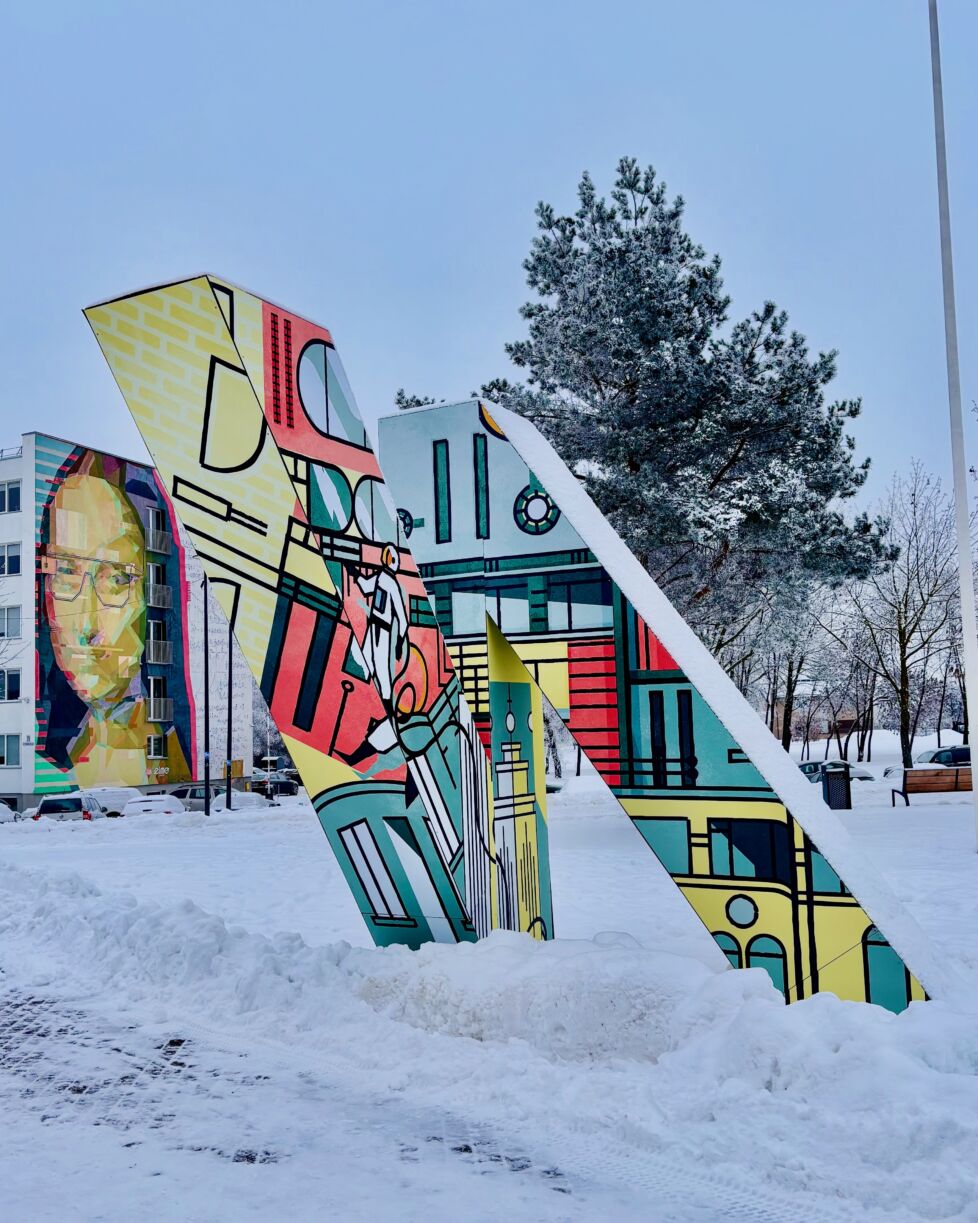
“K” for culture and KTU
K-TOTEM emerged as a long-term continuation of the ideas behind Kaunas – European Capital of Culture 2022 and became a joint project of Kaunas and Kortrijk. In Kaunas, the object was relocated from a central public space to KTU Campus, where it naturally integrated into an ecosystem of science, innovation, and creativity. Identical “K”-shaped installations can be found in both Lithuania and Belgium, highlighting international dialogue and shared values – culture in its broadest sense and the importance of design in today’s world.
Prof. Dr Rūta Valušytė, head of KTU’s Design Centre at the Faculty of Mechanical Engineering and Design
According to KTU representatives, in today’s political climate one of the most important “K’s” to strengthen is culture (kultūra in Lithuanian). “This sculpture is a living symbol of creative collaboration, connecting two cities through design and cultural exchange. It shows that culture exists alongside us in everyday environments and is not limited to artefacts preserved in museums. At the same time, it demonstrates to design students the potential of their ideas and how interdisciplinary design influences the economy, tourism, and international partnerships,” says Rūta Valušytė, Head of the KTU FMED Design Centre.
The project is partially funded by “Iniciatyvos Kaunui”.
Project initiator: Kaunas Design Network (Kauno dizaino tinklas, DiTi)
Partners: KTU, VDU, Designregio Kortrijk, Lithuanian Architects’ Union – Kaunas branch


Stan Dewaele
Stan is the key link between industry and designers. Under his coordination, innovation projects involving companies and designers take shape. He also coordinates the annual WONDER Festival alongside Lisa.