Kortrijk as a model for Europe: how local networks strengthen the creative sector
Kortrijk is increasingly making its mark on the European map as a hub for collaboration between creatives, businesses and knowledge institutions. This is evident from a recent benchmarking study conducted as part of the European CCSI4CCSI project, which compared nine initiatives from five countries. Notably, two of the most inspiring examples come from South-West Flanders.
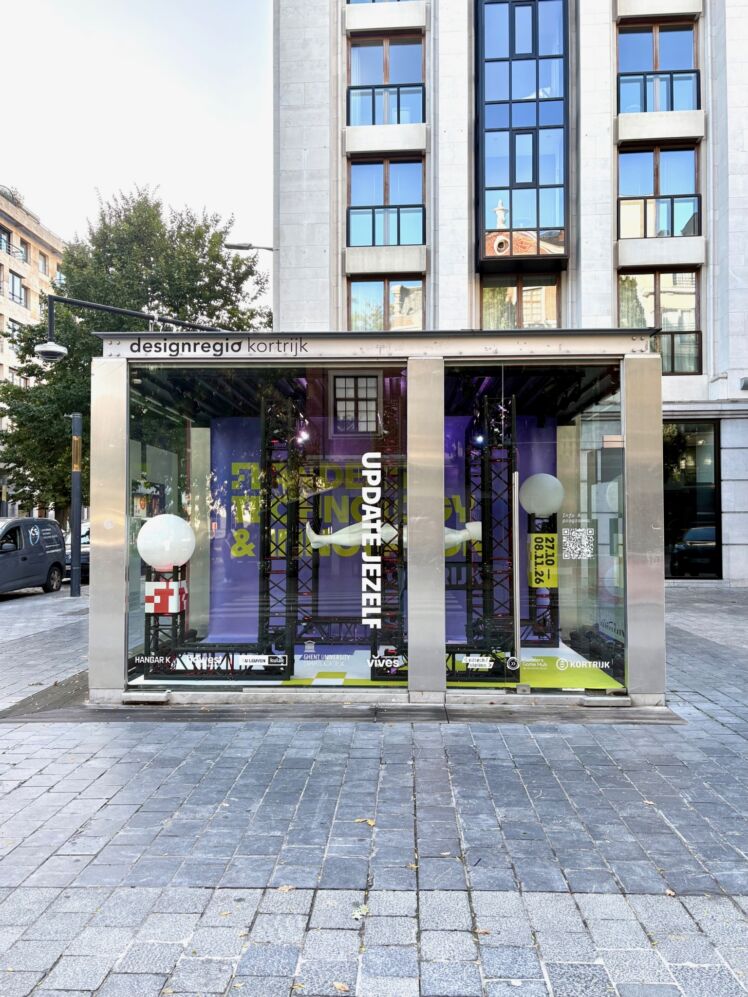
Both Designregio Kortrijk and Hangar K demonstrate how a relatively compact region can develop into a major player in the creative economy and how other regions can learn from this.
From networking to genuine collaboration
Many cities organise networking events, but that alone is not enough. What sets Kortrijk apart is that collaboration is actively organised.
Designregio Kortrijk has been connecting designers with businesses and public authorities through concrete projects for years. These are not casual meetings, but programmes in which people work together on real challenges, ranging from product development to social issues. This not only leads to innovation, but also creates new business opportunities for both sides.
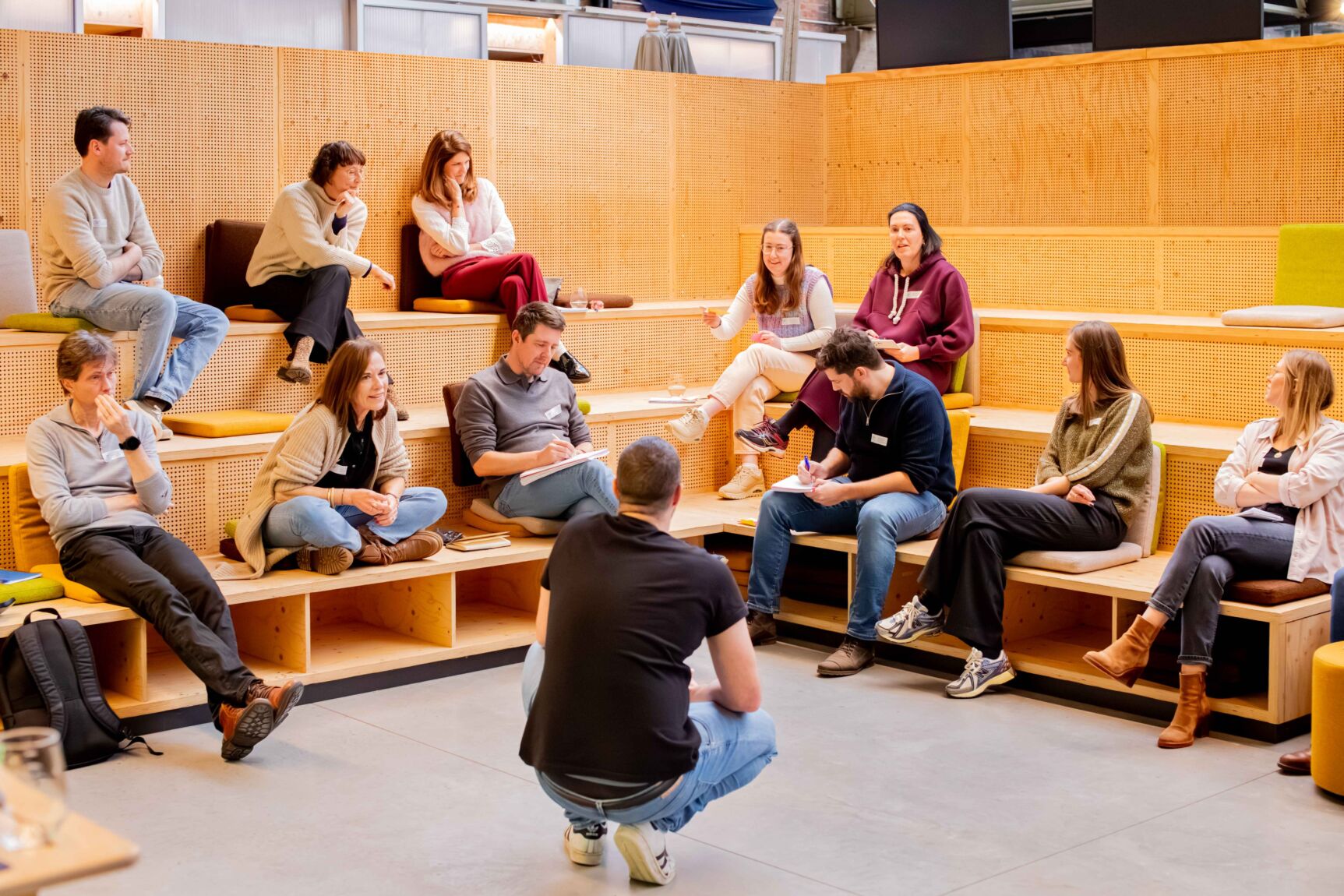
Hangar K also plays a key role in this. Start-ups, students, researchers and businesses come together daily at this hub. By combining co-working with mentoring, events and hackathons, an environment is created where ideas more quickly develop into concrete collaborations.
Building bridges between sectors
A key factor in this success is the role these organisations play as ‘translators’ between different worlds. Creative professionals, industry, education and government often speak different languages and do not naturally find common ground.
This is where initiatives such as Designregio Kortrijk make a difference. By actively mediating and setting up projects, they bring together sectors that would otherwise continue to operate in isolation. The result: greater innovation within businesses and more opportunities for creative professionals.
Other European examples confirm this. For instance, the Kraków Festival Office connects culture, tourism and the economy in the Polish city of Kraków. But what stands out is that, whereas this often happens top-down elsewhere, in Kortrijk it is firmly rooted in local collaboration.
Space alone is not enough
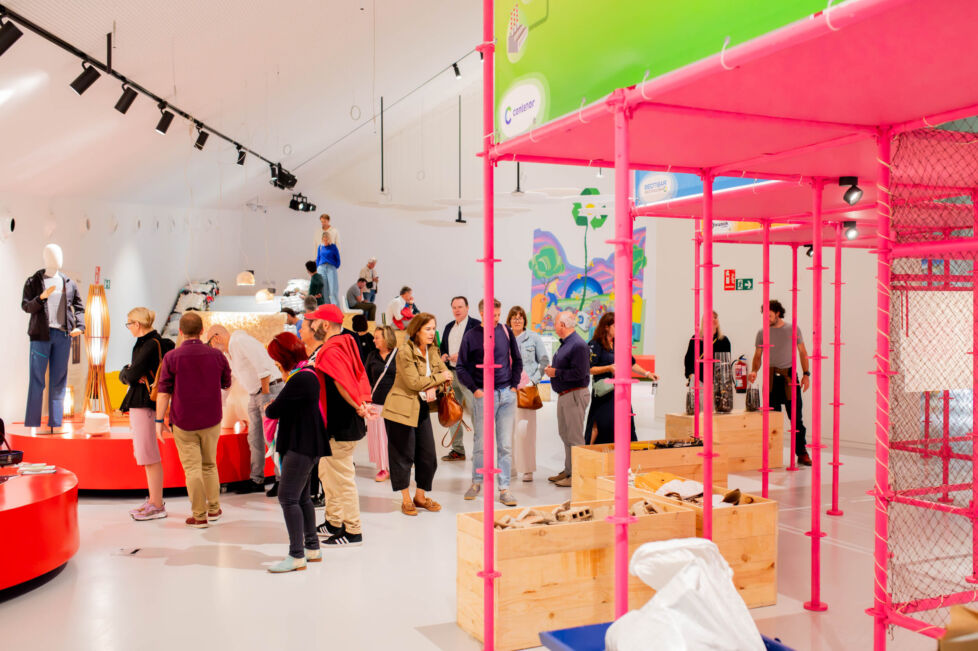
Physical spaces such as hubs and makerspaces are important, but they are only part of the story. Without an active programme, they remain empty shells.
This is also evident when comparing them to other European initiatives such as FabLab Małopolska in Poland or the Danish production centre Godset. They provide infrastructure, but combine this with workshops, training courses and community engagement.
Exactly the same is happening in Kortrijk. Hangar K is not just any building, but a place where activities are constantly taking place. That dynamism ensures that people keep coming back and actually meet one another.
Locally rooted, internationally relevant
What this benchmarking exercise makes particularly clear is that strong networks emerge locally, but their impact extends much further.
Initiatives such as FUNK (Forum of Independent Cultural Associations) in Croatia or ‘Culture for Change’ in Greece demonstrate how community-driven networks can grow to become key players in their countries. Nevertheless, Kortrijk’s strength lies in the combination of bottom-up engagement and strategic collaboration with businesses and public authorities.
A lesson for other regions
The message for other cities and regions is clear: investing in networks pays off, but only if they are actively built up.
Kortrijk demonstrates that you do not need a metropolitan context to make an impact. By making targeted connections, facilitating collaborations and focusing on a strong community, even a medium-sized region can play a pioneering role in Europe.
What is happening here is more than just organising networks. It is building an ecosystem in which creativity, innovation and entrepreneurship reinforce one another. And that is precisely what makes Kortrijk a model that other regions are looking to today.
The CCSI4CCSI project supports actors in the cultural and creative sector in their development, transformation and innovation, promotes synergies within regional ecosystems and encourages CCSI-led community projects to jointly tackle local societal challenges. With the support of Interreg Europe.


Sébastien Hylebos
Sébastien is responsible for circular economy and textile projects in collaboration with companies and designers. He is also responsible for providing general support to the organisation.