Maroesjka Lavigne
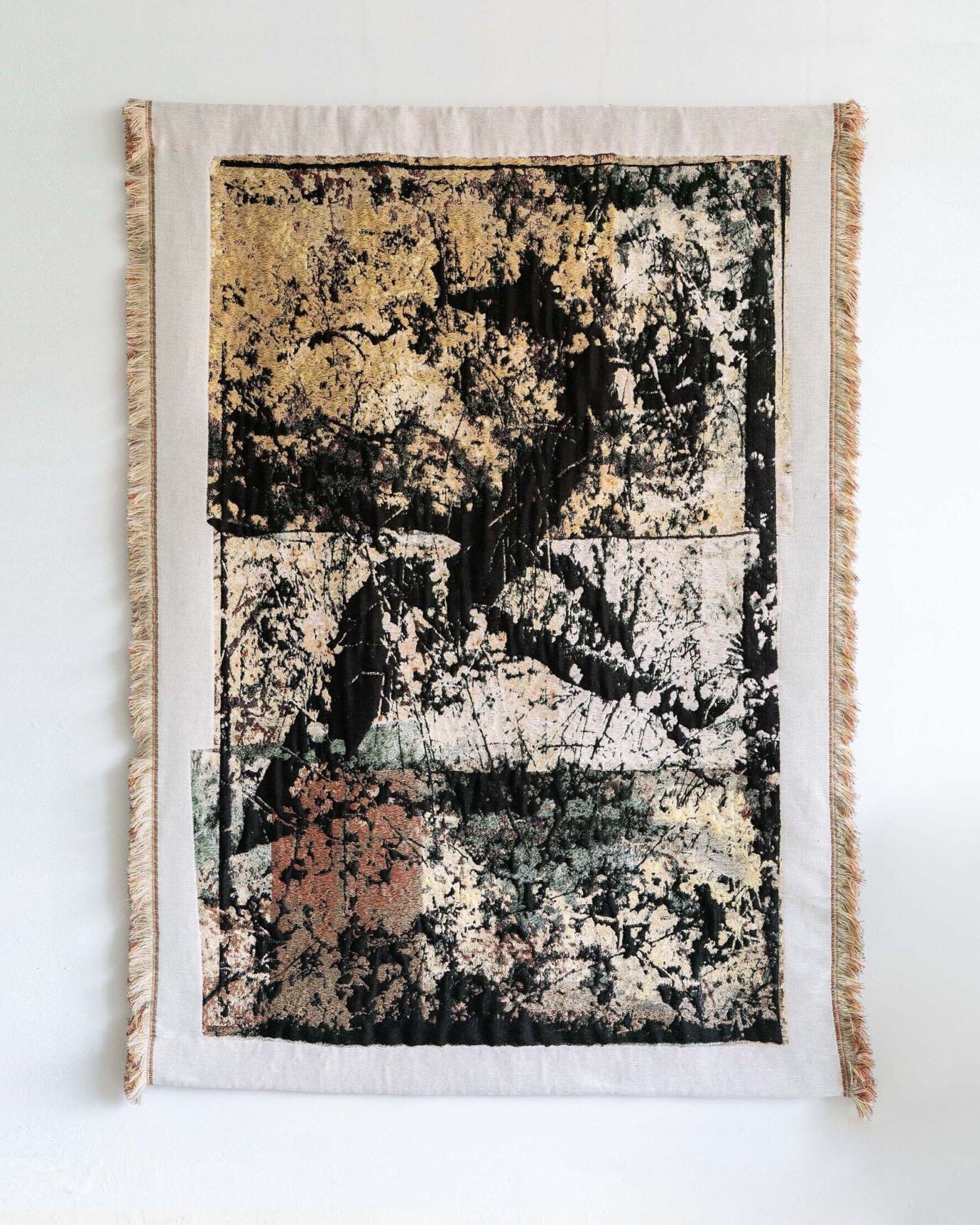
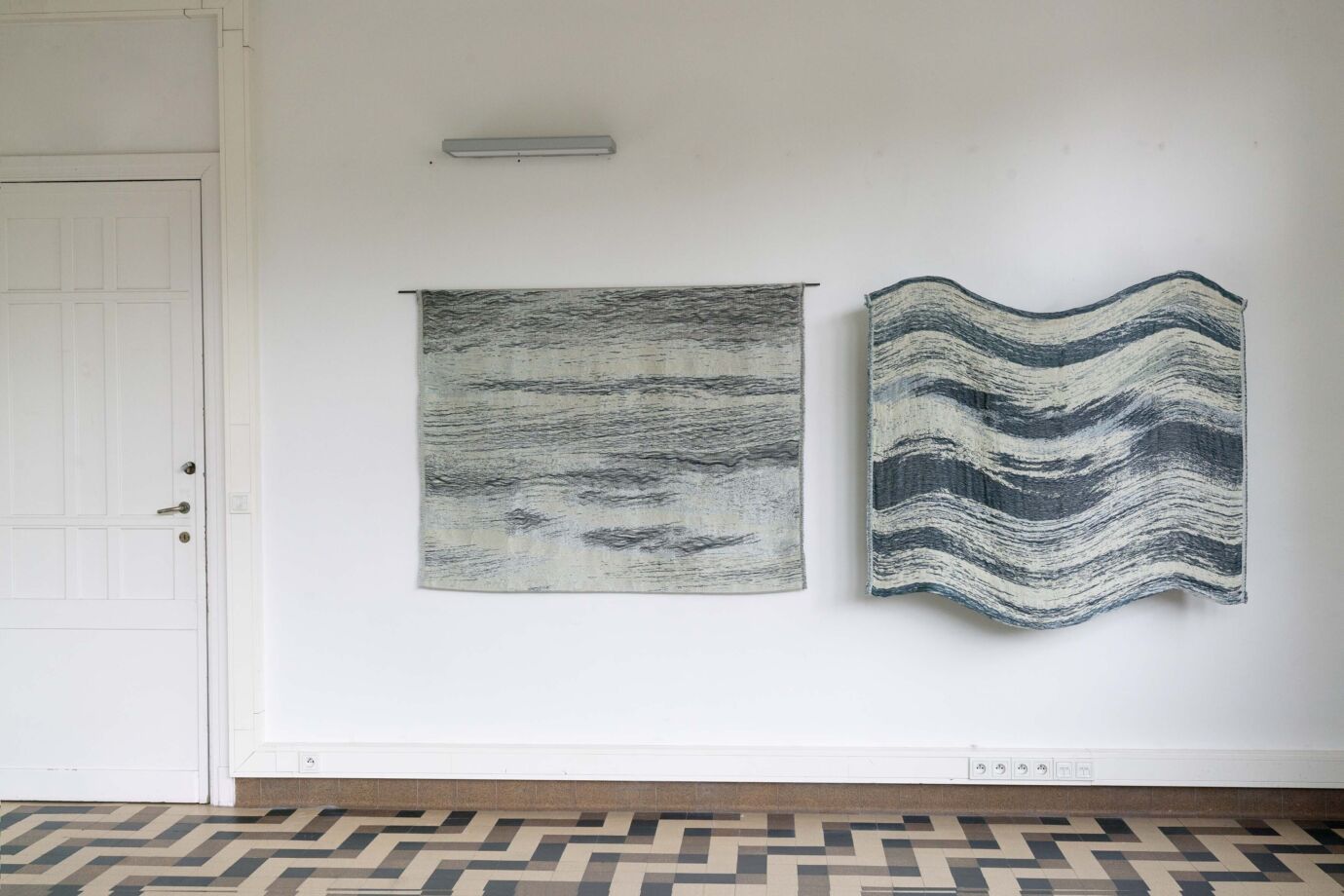
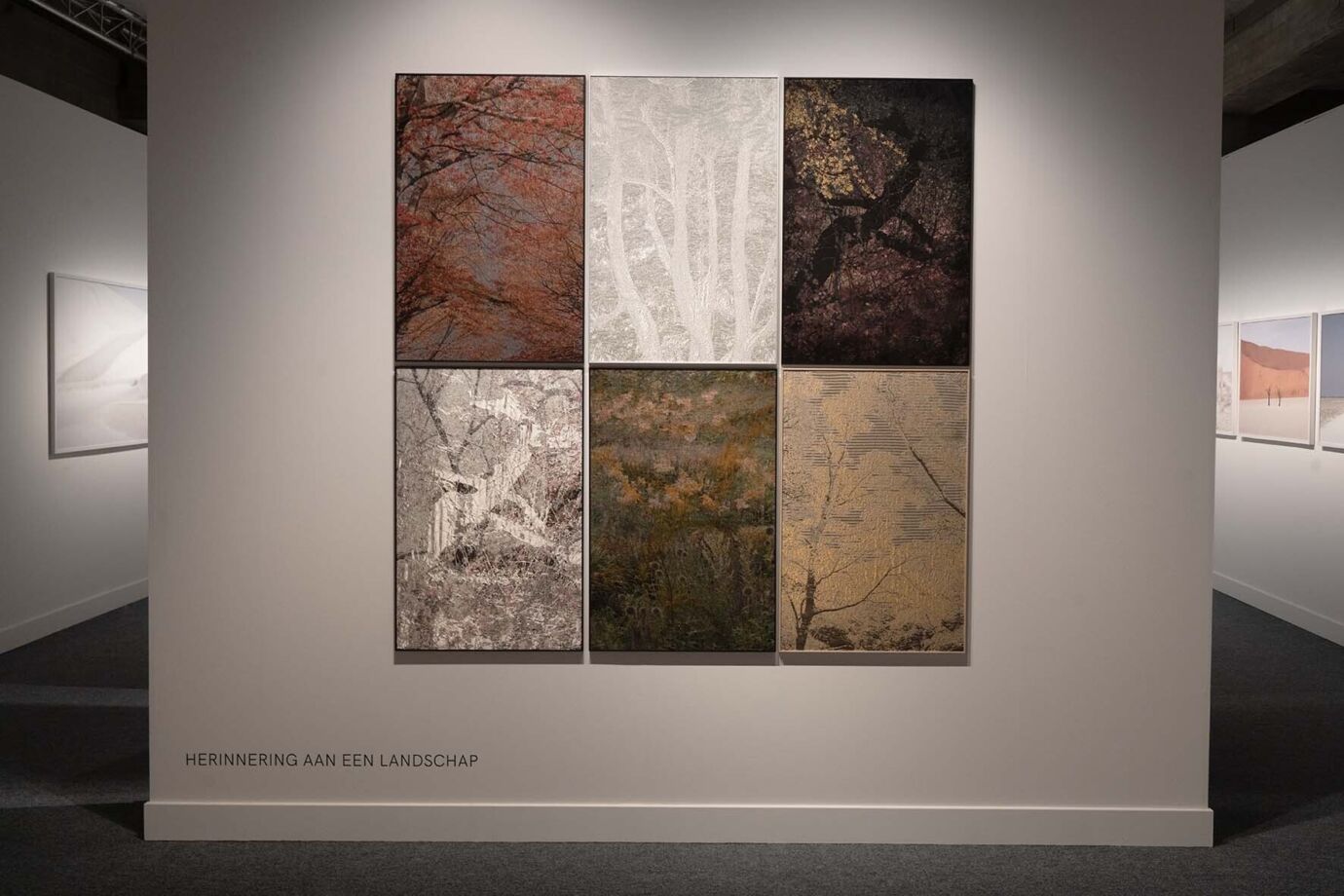
As a photographer, I spent years exploring the relationship between humans and nature, constantly searching for ways to capture a landscape. After ten years, that fascination evolved; I no longer see the landscape as something that can be fully comprehended, but as a subjective snapshot, shaped by perspective, time and context. That insight became a turning point in my work. I decided to delve into textiles to add extra layers and tactility to my work. Together, textiles and photography form a rich, transdisciplinary playing field. By giving images a three-dimensional form, I can integrate external factors such as light and space. Just as a landscape changes through time, light and natural processes, textile works are never static: they fade, deform and evoke places that are open to reflection and interpretation. My practice is interesting for both photography and textile art from a professional perspective. Combining these disciplines creates a richer, more tactile work that is both conceptually and materially layered. The binary nature of weaving fits in perfectly with the characteristics of photography: every pixel in a photo can be translated into a weave in the fabric. Although industrial looms offer almost unlimited possibilities for this, they are often underutilised. The textile design programme offers room for experimentation, but artists who combine photography and textiles in this way are still rare in the art world. This research can also be significant from a photographic perspective. Within the field, the question of the factuality of the photograph plays a central role. The public often sees the camera as an objective translator of reality, but even when photographing the landscape, the photographer always takes a position and thus shows a subjective view. By abstracting the landscape and using the layered nature of textiles, a unique representation of the landscape can be created.