Designregio Kortrijk Shares Expertise on Creative Ecosystems in Toulouse
How do you build a thriving creative ecosystem? Which governance models truly work? And how can creative organisations become financially sustainable in the long term?
These were some of the key questions addressed during an international peer review organised by Interreg Europe in Toulouse, where Designregio Kortrijk was invited to contribute as an expert organisation.
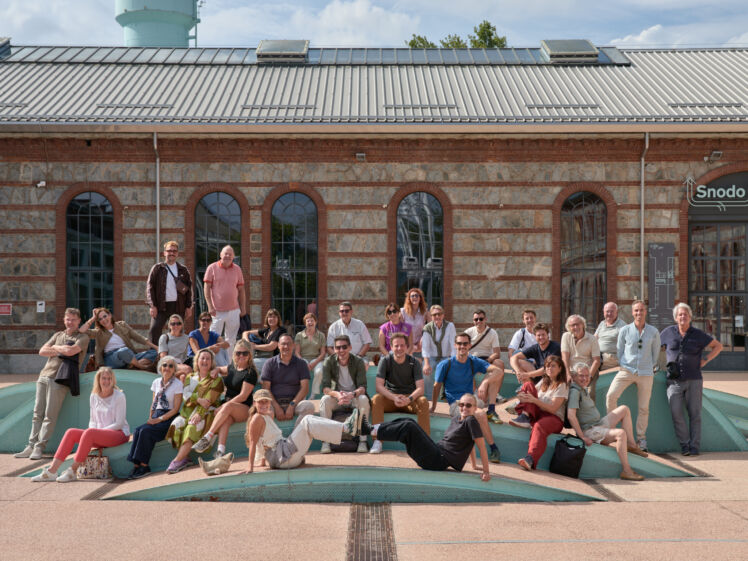
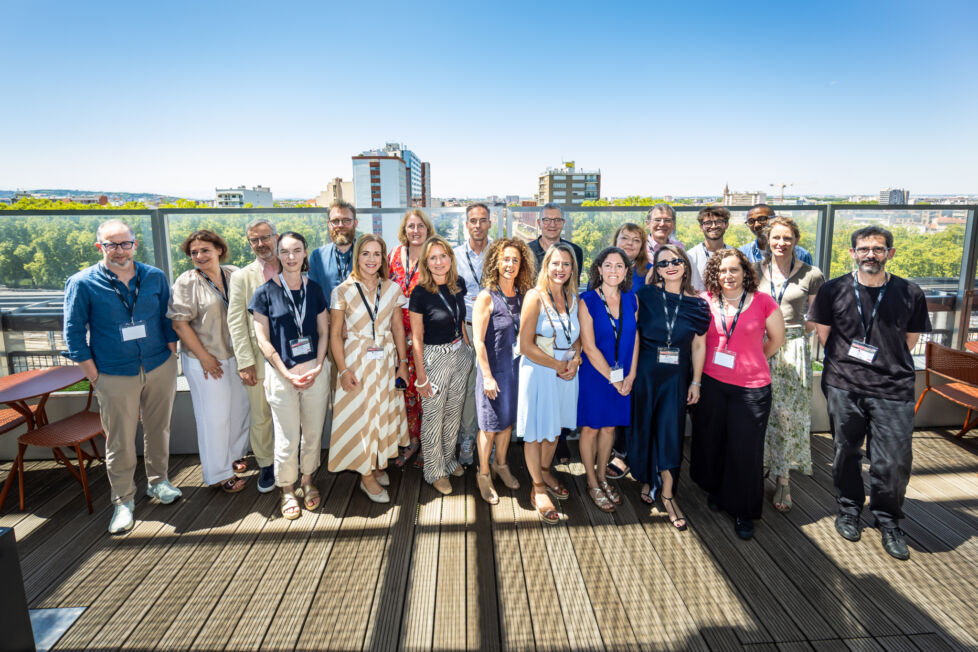
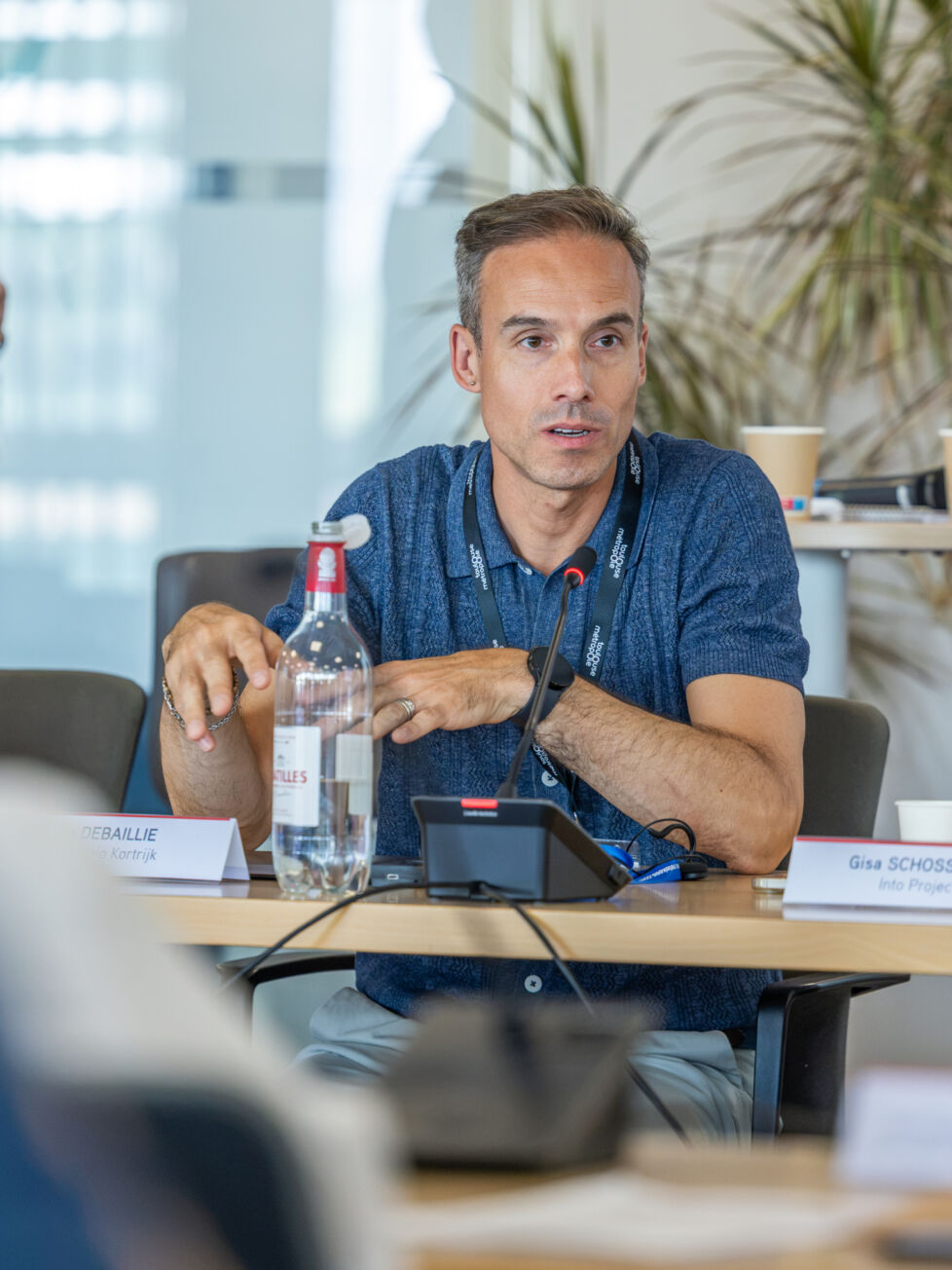
Together with peers from Hamburg, Galway, Bologna, Linz and Hungary, Stijn Debaillie took part in a two-day exchange focused on the development of La Brique Créative, an initiative that aims to connect creative entrepreneurs, educational institutions, companies and public authorities within a shared innovation ecosystem.
Sharing Twenty Years of Experience
During the peer review, Designregio Kortrijk presented its experience as an independent intermediary organisation operating at the intersection of design, innovation, entrepreneurship and societal transformation for over two decades.
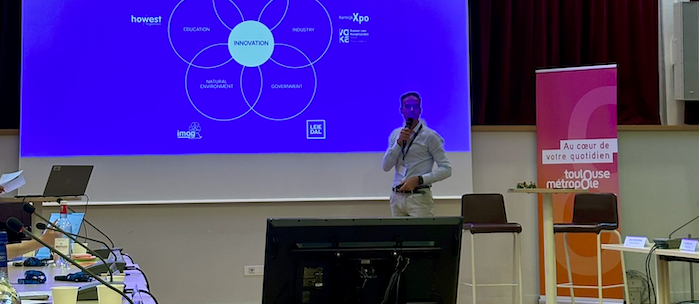
We shared our approach to building a quintuple helix ecosystem, bringing together government, businesses, educational institutions, creative professionals and citizens. We also explained how Designregio Kortrijk has evolved from a predominantly publicly funded initiative into a hybrid organisation, combining public funding, European projects, partner contributions and commercial services.
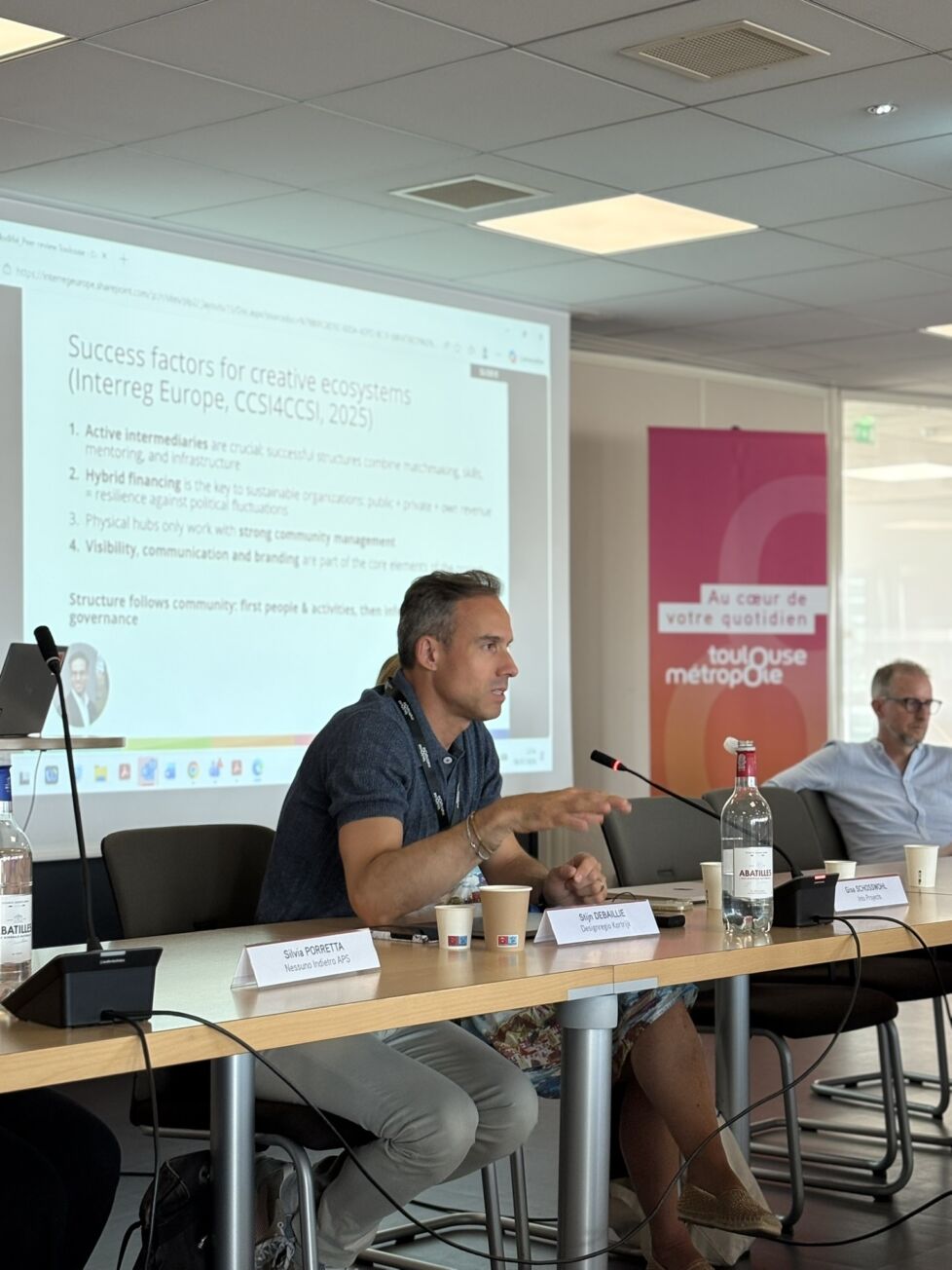
Our experiences in stakeholder engagement, community building, co-creation, matchmaking and project development contributed to several of the recommendations formulated during the peer review process. Particular emphasis was placed on the importance of active intermediary organisations that connect stakeholders, facilitate collaboration and strengthen creative ecosystems. Hybrid financing was also highlighted as a key success factor for resilient and sustainable organisations.
Confirming the Lessons of CCSI4CCSI
For Designregio Kortrijk, the event was also a valuable validation of the insights gathered through the Interreg Europe project CCSI4CCSI.
Many of the peer review recommendations strongly echoed the findings of this European research project. One clear conclusion was that successful creative ecosystems are not built around buildings or infrastructure alone. Instead, they grow from strong communities, trusted partnerships and shared ambitions. Governance structures and physical spaces should support ecosystem needs, not dictate them.
Several additional lessons resonated with our own experience:
- Active intermediary organisations are essential for the development of successful creative clusters.
- A balanced mix of public funding, private income and self-generated revenue creates greater resilience.
- Community management is just as important as physical infrastructure.
- International cooperation provides not only funding opportunities, but also access to knowledge, networks and innovation.
Bringing New Inspiration Back to Kortrijk
Beyond sharing expertise, the peer review also offered valuable inspiration for the future development of Designregio Kortrijk.
Particularly interesting were the examples of thematic advisory groups, stakeholder participation mechanisms and innovative governance models used across Europe. We also found strong inspiration in approaches focused on youth engagement, talent development and international collaboration, all of which closely align with the ambitions set out in our new strategic plan.
International Recognition
Being invited to contribute to this peer review confirms the growing international recognition of Designregio Kortrijk's expertise in creative ecosystem development, governance and hybrid business models.
Through initiatives such as CCSI4CCSI, our involvement in the UNESCO Creative Cities Network and collaborations with partners across Europe, we continue to contribute to the development of future-oriented creative ecosystems. At the same time, these international exchanges bring valuable knowledge, new partnerships and fresh opportunities back to Kortrijk and the wider region. Because innovation is not only about generating new ideas. It is about creating meaningful connections between people, organisations and sectors.


Stijn Debaillie
Stijn staat als coördinator reeds 9 jaar in voor het reilen en zeilen van de organisatie. Hij is steeds op zoek naar boeiende opportuniteiten voor de organisatie, zowel als subsidieproject of als dienstverlening.Stijn is ook al twee jaar voorzitter van de 41 UNESCO Cities of Design waarmee hij kennis en projecten uitwisselt en een internationaal netwerk voor de organisatie en regio Kortrijk uitbouwt.