Designers in Residence op WONDER
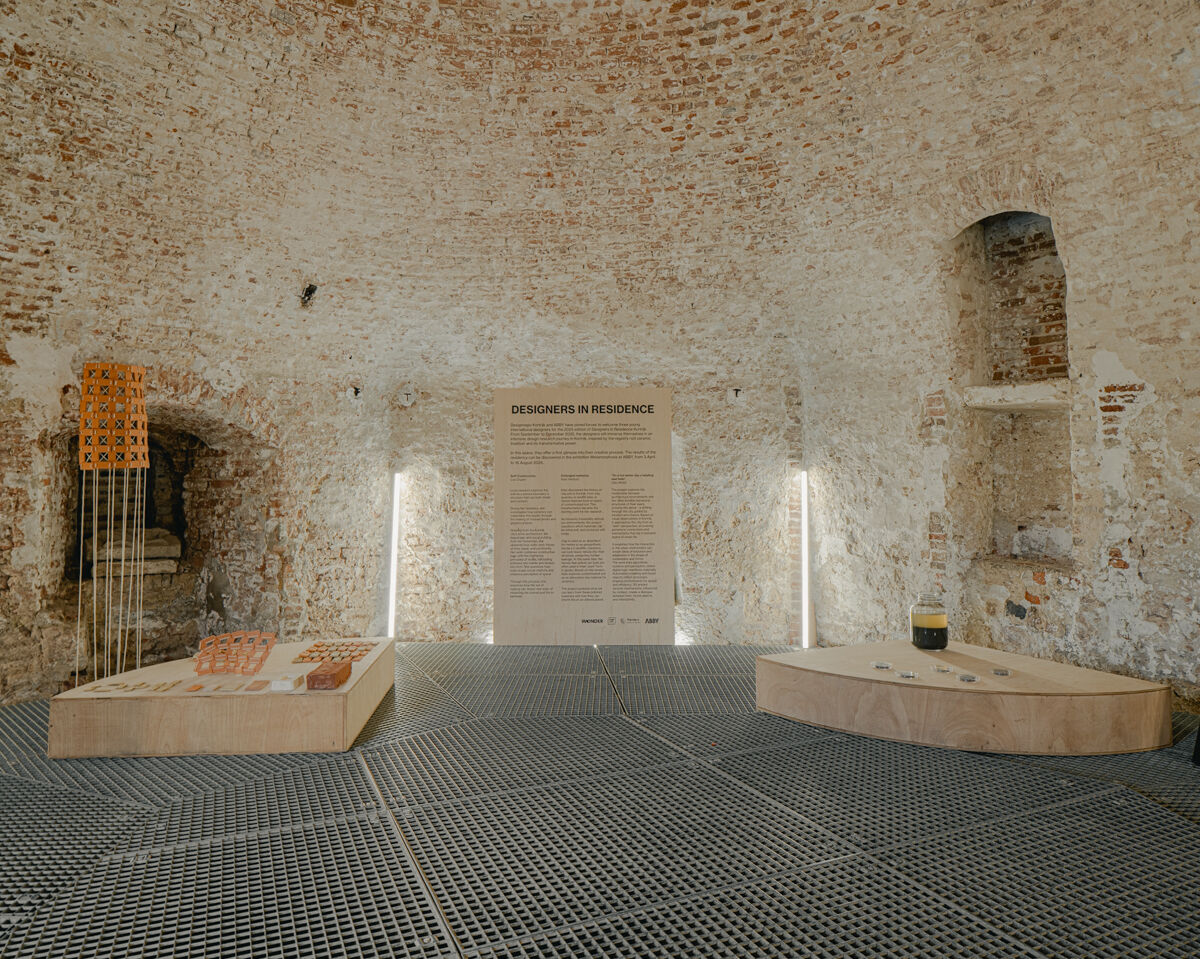
Designregio Kortrijk en ABBY hebben hun krachten gebundeld om drie jonge internationale ontwerpers te verwelkomen voor de editie 2025 van Designers in Residence Kortrijk. Van september tot december 2025 zullen de ontwerpers Lou Cruard, Kato Herbots en Uğis Albiņš zich onderdompelen in een intensief designonderzoek in Kortrijk, geïnspireerd door de rijke keramische traditie van de regio en haar transformerende kracht.
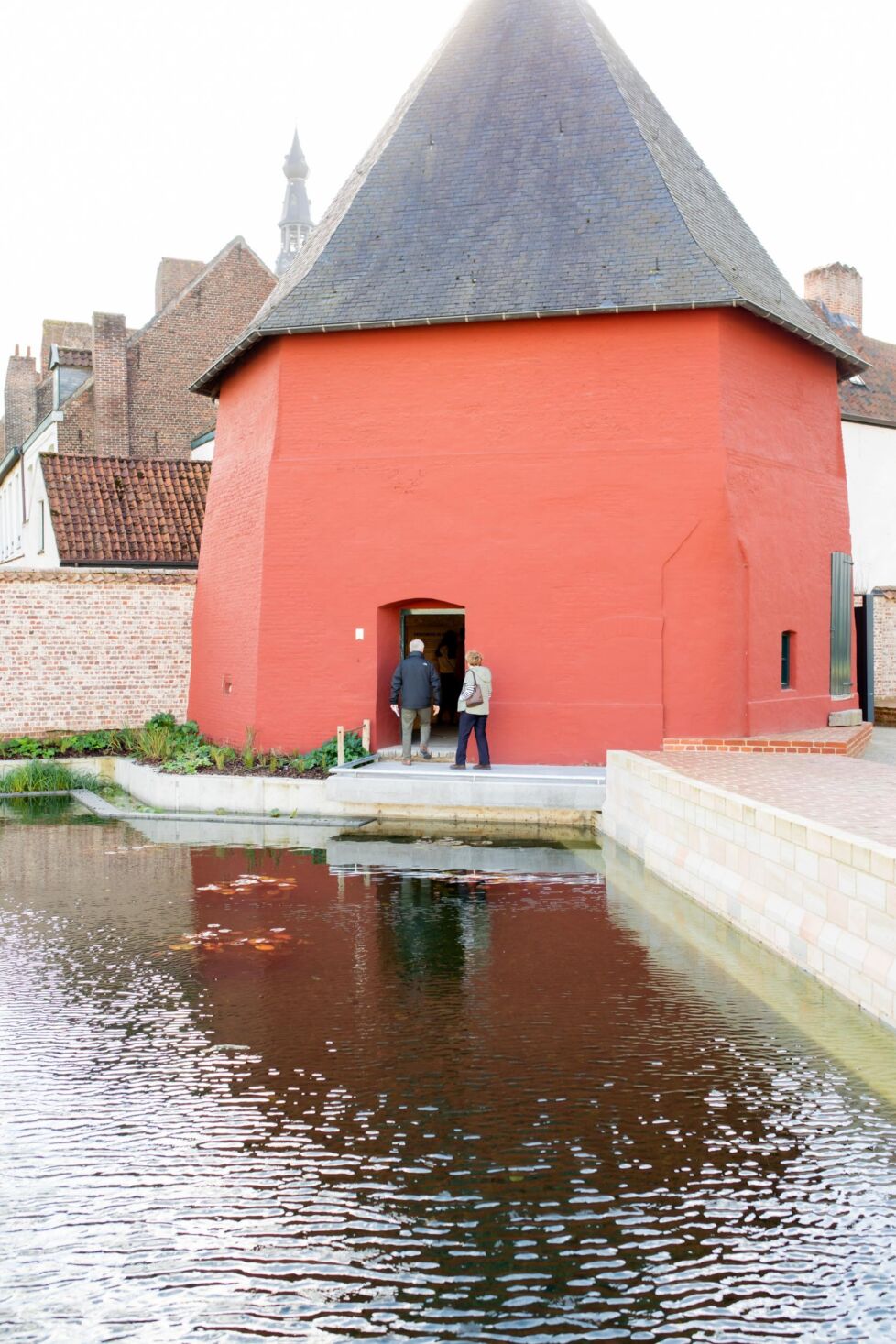
In de Artillerietoren bieden ze tijdens het WONDER Creativity Festival een eerste blik op hun creatieve proces. De resultaten van de residentie zijn te ontdekken in de tentoonstelling Metamorphosis in ABBY, van 3 april tot 16 augustus 2026.
Soft Construction
Lou Cruard
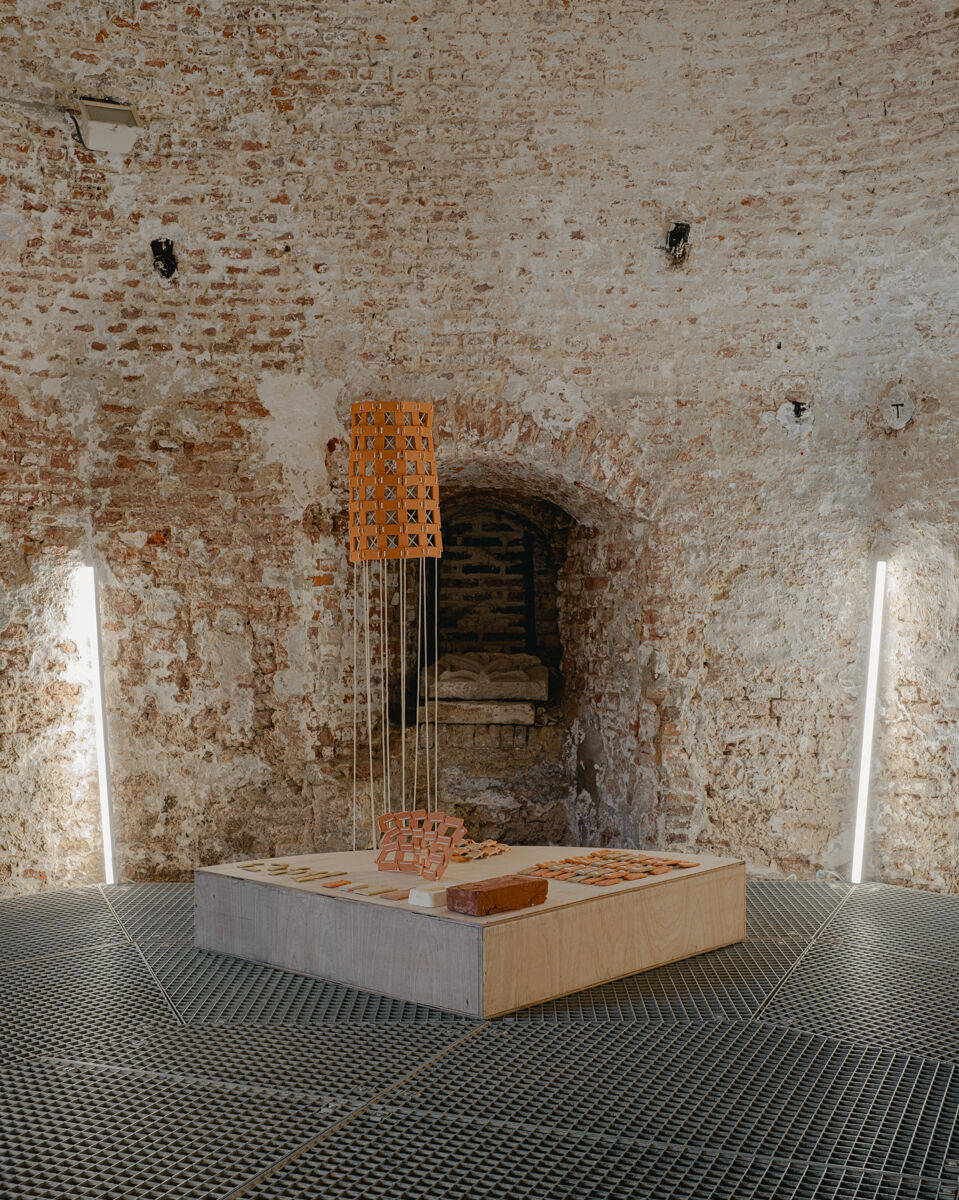
Lou’s research explores the wall as a porous boundary: a structure that can both divide and connect. During her residency, she investigates how ceramics can materialize this duality through the making of modular bricks and glazed surfaces. Drawing from the Courtrai city’s brick architecture, like beguinage, and social building from her hometown, she observes how walls carry traces of time, repair, and community. Her work combines constructive logic with the interlacing principles of textile, translating softness into matter and tension into form. She questions how walls shape social relations and influence perception of space. Through this process, she examines how the act of making can reveal new ways of inhabiting the shared and the in-between.
Entangled Matter(s)
Kato Herbots
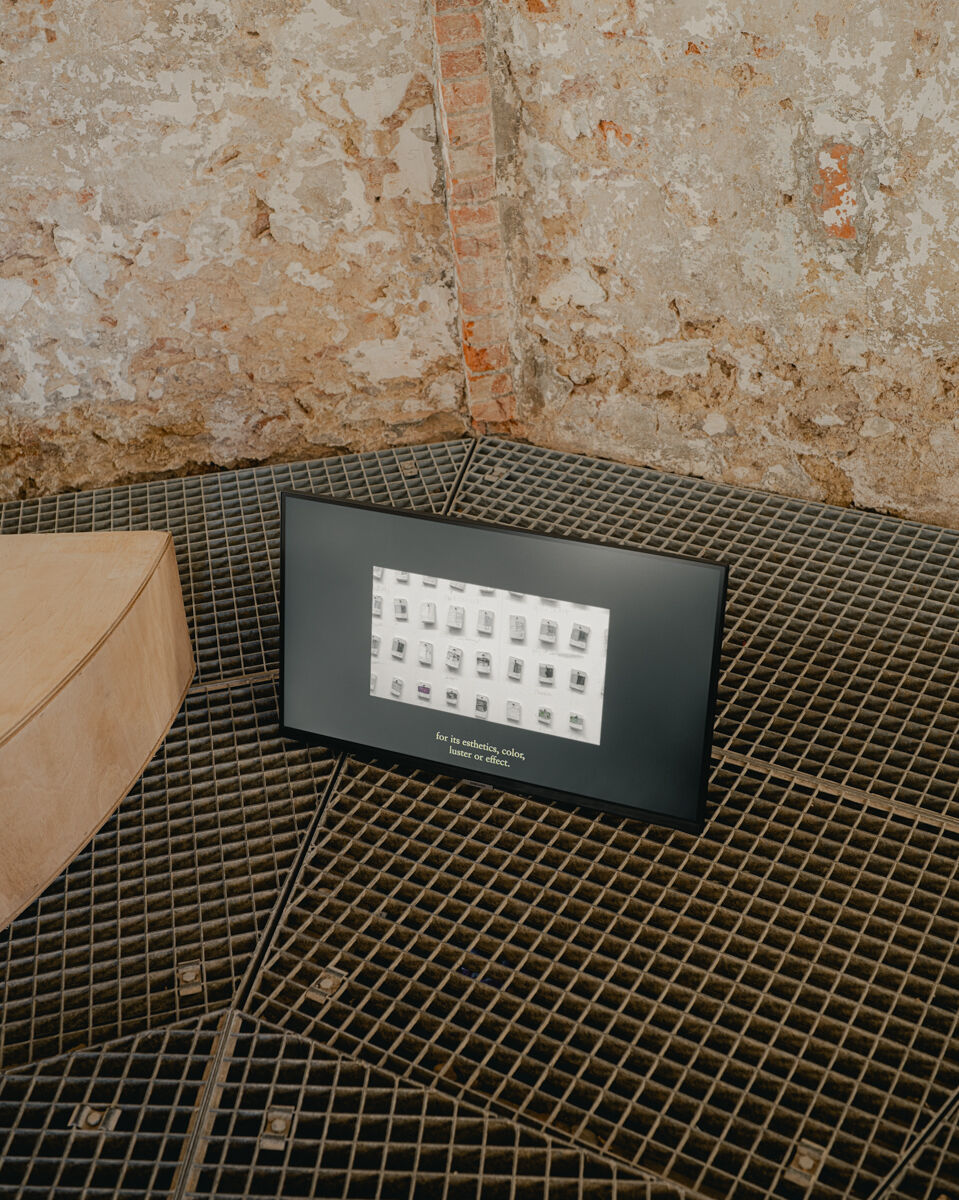
Kato discovered the history of the clay pits in Kortrijk: from clay quarries, to landfill sites, to nature reserves built on layers of contaminated landfill. This transformation became the starting point for her research. As humanity irreversibly altered our environments, the project questions which materials can be extracted, and produced with today. Clay is used as an absorbent for metals or as geosynthetic barriers in landfills. Ceramics can lock heavy metals into their structure, preventing further leakage. At the same time, the metals that pollute our soils are often used in their ‘pure’ form in glazes. Based on this tension, Kato explores contaminated soil as an alternative raw material for ceramics. The project explores what we can learn from these polluted materials and how they can inform life on a damaged planet.
“On a hot winter day a ladybug said hello”
Uğis Albiņš
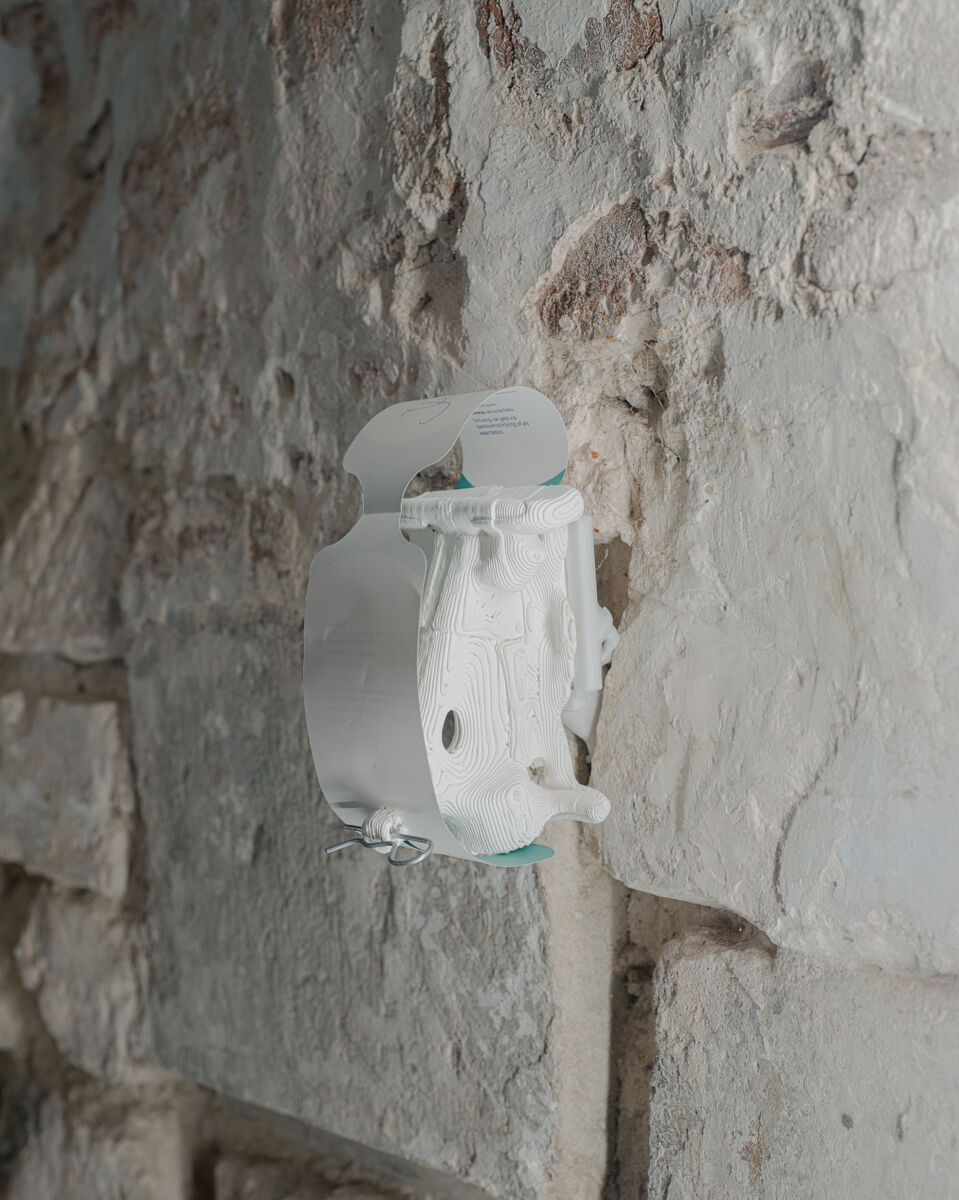
The project explores the relationship between architectural environments and the often invisible behavioral structures of their users, echoing the dérive - a drifting through the city guided by intuition and chance. Based on visual observations in Kortrijk, it approaches the city from an “alien” perspective, uncovering peripheral connections and mechanisms that are in between layers of urban life. It examines how the interaction in the urban environment can create ideas of evolution and adaptation in the shape of installations and forms. The work links algorithmic systems and perception, where digital logic manifests materially. Automated modeling and found objects reflect processes shaping environments for speed and efficiency. 3D printed ceramic mechanisms, influenced by context, create a dialogue between form, found objects, and interactivity.



Lise Van Tendeloo
Lise nodigt ieder jaar veelbelovende internationale ontwerpers uit in Kortrijk voor boeiende residentietrajecten. Zij staat verder in voor het luik onderzoek en experiment bij de organisatie.